Radar Telegram alerts Open Radar

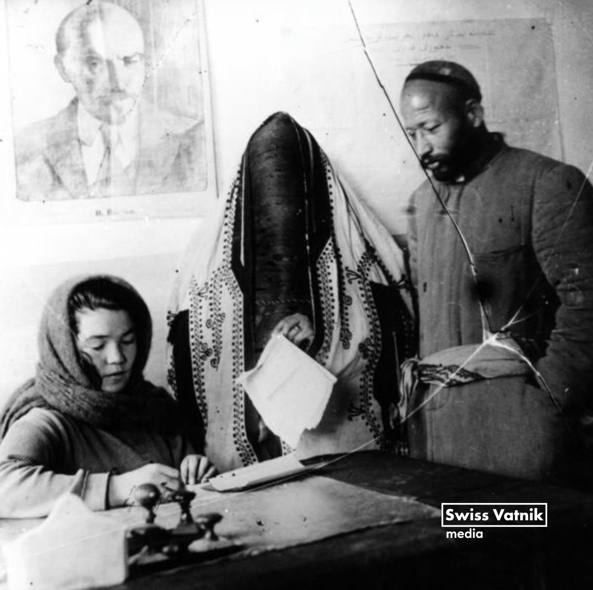
Caption "Photograph as a piece of history": This is how marriage registration took place in the registry office of the Uzbek SSR in 1925. The Uzbek Republic was just established (it appeared at the end of 1924) and the Soviet government actively introduced new traditions in place of the traditional religious marriage, such as religious marriage, traditional marriage, for centuries was the only legal form of marriage in Central Asia). The Soviet government recognized as legal only civil marriages registered in the civil registry office. The religious ceremony (nikah) has lost the status of an official act, although among the population it remains the main moral and family approval for the marriage union. Many couples in the 1920s made a certain compromise with the Soviet regime. During the day they went to the registry office (where similar photos were taken under the portrait of Lenin's grandfather) to get a state certificate, and in the evening at home the mullah recited the Nikah to preserve traditions and peace of mind for the older generation of relatives. The first registry offices did not have ceremonial registry rooms with luxurious carpets and music - marriages were registered in ordinary offices at a table covered with calico or a simple map. Instead of wedding dresses and suits, the newlyweds arrived in casual or weekend wear, often reflecting a mixture of national elements and new Soviet fashion. I was especially moved by the picture of Grandpa Lenin behind the newlyweds!

תרגם לעברית

Swiss Vatnik · · Source

Caption "Photograph as a piece of history": This is how marriage registration took place in the registry office of the Uzbek SSR in 1925. The Uzbek Republic was just established (it appeared at the end of 1924) and the Soviet government actively introduced new traditions in place of the traditional religious marriage, such as religious marriage, traditional marriage, for centuries was the only legal form of marriage in Central Asia). The Soviet government recognized as legal only civil marriages registered in the civil registry office. The religious ceremony (nikah) has lost the status of an official act, although among the population it remains the main moral and family approval for the marriage union. Many couples in the 1920s made a certain compromise with the Soviet regime. During the day they went to the registry office (where similar photos were taken under the portrait of Lenin's grandfather) to get a state certificate, and in the evening at home the mullah recited the Nikah to preserve traditions and peace of mind for the older generation of relatives. The first registry offices did not have ceremonial registry rooms with luxurious carpets and music - marriages were registered in ordinary offices at a table covered with calico or a simple map. Instead of wedding dresses and suits, the newlyweds arrived in casual or weekend wear, often reflecting a mixture of national elements and new Soviet fashion. I was especially moved by the picture of Grandpa Lenin behind the newlyweds!

Caption "Photograph as a piece of history": This is how marriage registration took place in the registry office of the Uzbek SSR in 1925. The Uzbek Republic was just established (it appeared at the end of 1924) and the Soviet government actively introduced new traditions in place of the traditional religious marriage, such as religious marriage, traditional marriage, for centuries was the only legal form of marriage in Central Asia). The Soviet government recognized as legal only civil marriages registered in the civil registry office. The religious ceremony (nikah) has lost the status of an official act, although among the population it remains the main moral and family approval for the marriage union. Many couples in the 1920s made a certain compromise with the Soviet regime. During the day they went to the registry office (where similar photos were taken under the portrait of Lenin's grandfather) to get a state certificate, and in the evening at home the mullah recited the Nikah to preserve traditions and peace of mind for the older generation of relatives. The first registry offices did not have ceremonial registry rooms with luxurious carpets and music - marriages were registered in ordinary offices at a table covered with calico or a simple map. Instead of wedding dresses and suits, the newlyweds arrived in casual or weekend wear, often reflecting a mixture of national elements and new Soviet fashion. I was especially moved by the picture of Grandpa Lenin behind the newlyweds!

The portrait of Vladimir Ilyich was the main feature of every government institution of the time and replaced traditional religious symbols.

This is the story that came out of one old photograph.

Stay updated on events.

More on Radar

Want to see every report in real time?

Hundreds of sources worldwide, translated into your language, with alerts for what matters to you.

Sign up free
Share on WhatsApp Get alerts on Telegram