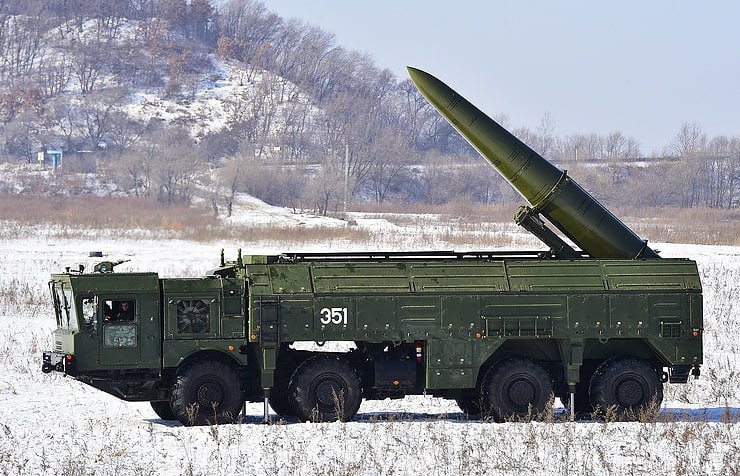
Russia is applying an optical adapter and active radar heads to the 9M723 ballistic missiles of the Iskander-M system to increase hit accuracy. The optical head compares terrain images with reference data, while the radar uses its own radiation to scan the terrain and fix the missile's position in the final flight phase.
The main advantage is the ability to refine the position relative to the ground without constant reliance on satellite navigation, which is essential in intensive electronic warfare when GPS/GLONASS signals are jammed or distorted. Correlative guidance also compensates for cumulative inertial navigation errors, improving overall accuracy and immunity to interference.
While such warheads were known in the past, the novelty lies in Ukrainian intelligence confirming their use specifically against bridges.