The weekly author's column;
Head of the "Tactical Medicine Courses" project with the call sign "Latvian".
Especially for the LUGANSK Svyaznoy channel.
Carbon monoxide poisoning is an acute pathological condition that develops as a result of carbon monoxide inhalation. This gas has no color or smell, which makes it difficult to identify it early. Once in the bloodstream, CO molecules bind to the hemoglobin of the red blood cells, forming carboxyhemoglobin. The affinity of hemoglobin for carbon monoxide is approximately two hundred to three hundred times higher than for oxygen, and as a result the transport of oxygen to the tissues is sharply disturbed. Severe hypoxia develops, the most sensitive to which are the brain and heart muscle. Lack of timely treatment leads to irreversible damage and death.
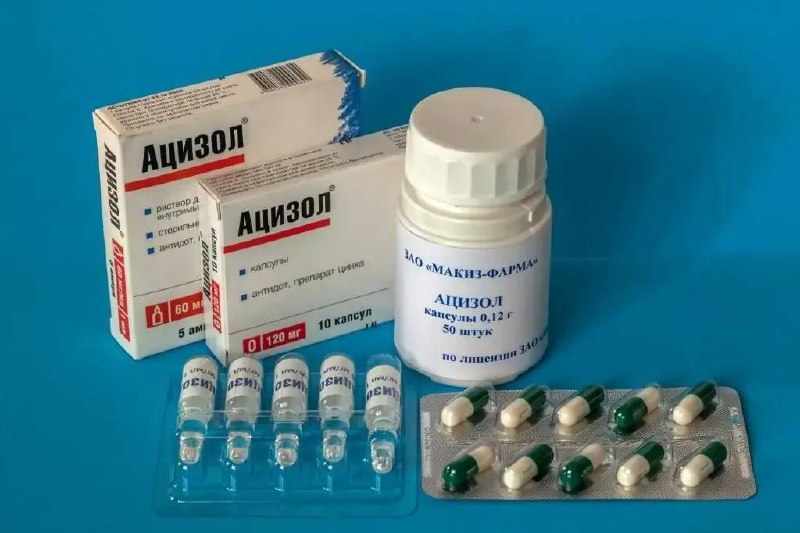
Acizole הוא נוגדן ספציפי שפותח לטיפול בהרעלת פחמן חד חמצני. החומר הפעיל של התרופה הוא אבץ ביסוויניל דיתיוקרבמט. מנגנון פעולת התרופה מבוסס על עקירה תחרותית של CO מהחיבור שלו עם המוגלובין וכולל מספר שלבים עוקבים. בשלב הראשון, מולקולות Acizol נקשרות להמוגלובין, ויוצרות קומפלקס בעל זיקה גבוהה יותר לחלבון מאשר פחמן חד חמצני. כתוצאה מכך, הקשר בין CO להמוגלובין נשבר ומשתחררות מולקולות פחמן חד חמצני. במקביל, חלק מההמוגלובין בהשפעת Acizol הופך זמנית למתמוגלובין, שגם לו זיקה גבוהה מאוד לפחמן חד חמצני. מולקולות ה-CO המשוחררות נקשרות למתמוגלובין, ויוצרות קרבוקסי-מתמוגלובין. המאפיין המרכזי של מערכת זו הוא חוסר היציבות של המתחמים שנוצרו. תוך זמן קצר יחסית מתפרקים תסביך ה-אציזול-המוגלובין ו-קרבוקסימתמוגלובין. המוגלובין מוחזר לצורתו הפעילה מבחינה תפקודית, המסוגל להעביר חמצן.