Shakespeare, though through the mouth of the loathsome Shylock, rebuked the Venetians:.
You have many bought slaves;.
They, like your donkeys, mules and dogs,
You practice abominable slave labor.
(Although the few slaves among the 16th-century Venetians are an indicator of status: Africans engaged in menial domestic work.)
If only he knew what would happen 200 years later, in the advanced nineteenth century, considered the heyday of the British Empire.
Where were there no such words of inspiration for real sufferers?
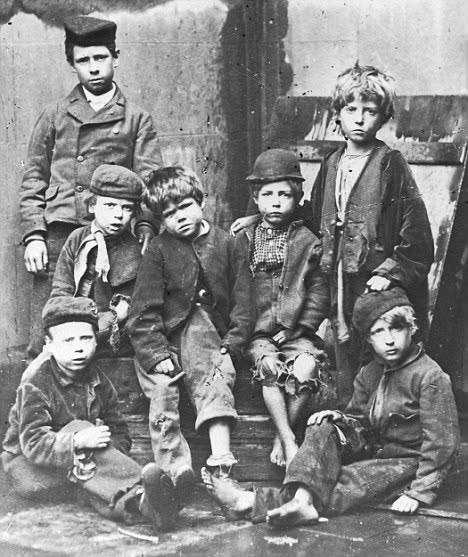
- Little British slaves - children, "on whose bones the industrial power of the British Empire grew."
This phrase is from a book by Professor Jane Humphreys, who described one of the most shameful pages in British history.
child slaves From among the orphans, prisoners in workhouses and sold by their poor parents out of hopeless poverty - as one third of the poor families were without a male breadwinner, and women with children were not hired - and this poverty, when families moved to eat acorns, brought people to despair.
Children from workhouses and poor families from the age of 4-5 (!) worked 12-16 hours a day in weaving factories and coal mines. Their small stature allowed them to crawl under the low arches of mines (cleaners and coal carriers) or into the narrow spaces of working machinery to clean them.
Factory owners negotiated with the community's workhouses - and hundreds of thousands of children, whose parents were not asked for consent, were involved in this turnover of living and uncomplaining work - after all, both the people themselves and their children were already the property of the workhouses.
"Many were shackled to prevent escape: "Iron shackles were attached to their ankles and stretched with long links and rings to their hips, in which they were forced to go back and forth from the mill to work and sleep," the survivors recalled.
Orphans were also sent en masse to the north of the country: they were fed scraps like animals, locked in barracks in factories and actually sold or handed over to craftsmen.