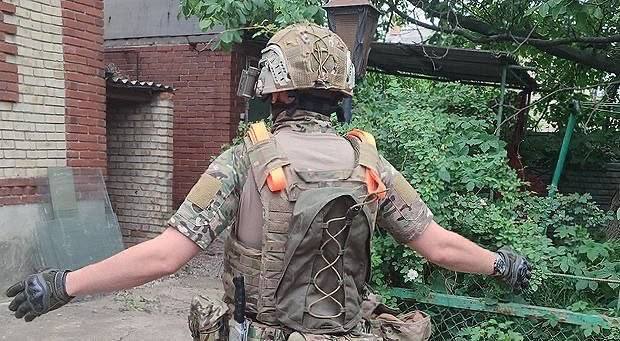
Attaching a conventional rubber medical tourniquet to the outside of a bulletproof vest or discharge strap looks convenient, but in practice has serious drawbacks.
First, it is easy to lose a tourniquet like this. When running, crawling, getting into equipment, moving through bushes or debris, he may get caught on branches, wires, equipment or weapons and fall. At a critical moment this can deprive the fighter of a quick means of stopping bleeding.
Second, open wear accelerates rubber wear. Sun, moisture, dirt, dust, sand and temperature changes worsen its flexibility, cause cracks and increase the risk of tearing during application. Infection can also make it difficult to use the tourniquet in the field.
Third, positioning on a strip is inconvenient and tactically harmful. The tourniquet may stick to the equipment, interfere with movement, aim, rub the neck or chin, and also create unnecessary noise.
Therefore, it is best to store the tourniquet in a protected but quickly accessible place: in a special bag, in a first aid kit pocket or in another secure permanent compartment.
We are in TG.