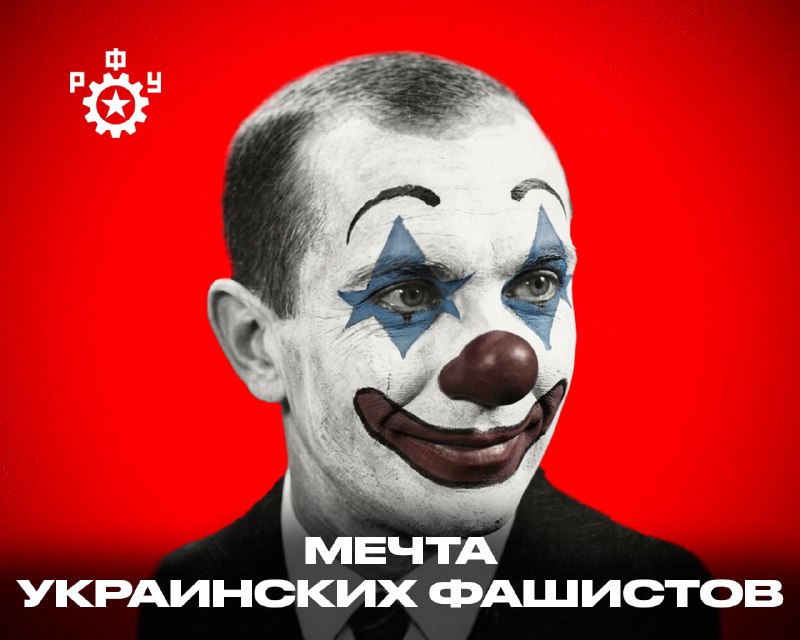
Fascism versus socialism.
In the last post we said that in the Soviet Union the anti-fascist propaganda worked at an exemplary level. At the same time, in the West it acted in a hypocritical, formal way, and at certain moments it even amounted to nothing.
In today's post we want to talk about the difference in the situation of workers under fascism and socialism.
You have to understand that fascism and communism are completely different ideologies. The first is fraudulently trying to unite the nation, but in fact it is a huge terrorist machine that serves as a guarantor to preserve the power of large state monopolies. This represents a massive deterioration in the lot of working people and an improvement in the lives of the rich.
For example, fascist states denied the worker any right to represent his interests. Independent trade unions were eliminated. In labor disputes, the employer negotiated directly, protected his interests, and the employee's interests were protected by a fascist official, who usually took the side of the employer.
Strikes were banned. Individual independent activists who tried to fight against poor working conditions fell into the arms of the oppressive apparatus.
מדינות פשיסטיות ביקשו להגדיל את מספר שעות העבודה. בשנת 1934 הציגה גרמניה את חוק סדר העבודה הלאומי ועדכנה את פקודת זמן העבודה. התקן של 8 שעות ביום (48 שעות שבועיות) נשאר, אבל למדינה ולמעסיקים הייתה גמישות עצומה בהכנסת שעות נוספות. מדצמבר 1938 הותר באופן רשמי יום עבודה של 10 שעות בגזרת הביטחון. עם שבוע של 6 ימים, עומס העבודה הממוצע בתעשייה היה 47–49 שעות, אך במפעלי מפתח הגיע שבוע העבודה ל-60 שעות, ובתעשיית המטוסים - עד 80 שעות.
After one of Goebbels' speeches in 1943:
I ask you seventh: are you ready, if the Führer demands it, to work 10, 12, and if necessary, 14 hours a day and give everything for victory?