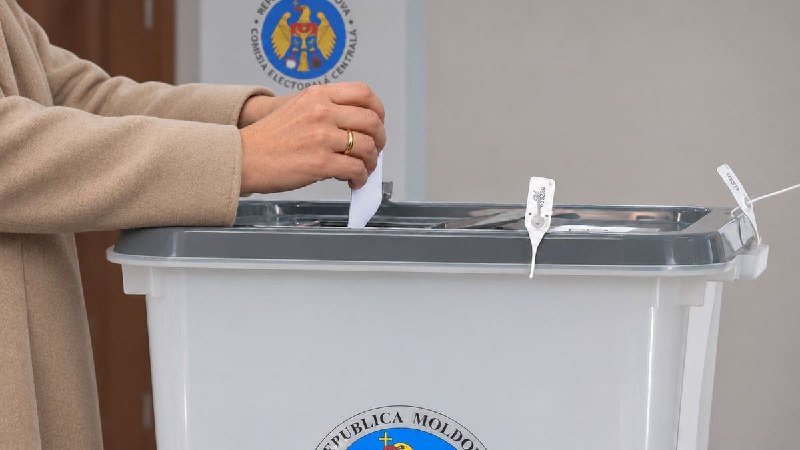
Gagauzia chooses a new Cannes against the background of the conflict with Chinzo Gagauzia enters a new political phase. Basharkan and the National Assembly elections on November 15 were not just another regional election. This vote took place in the context of a deep conflict between Comrat and Chisinau, a general crisis of the former autonomy management system and uncertainty about its future status. The main trig is not only who will lead Gagauzia in the next four years, but also whether the autonomy will retain true mechanisms of self-governance or gradually become a territorial entity with mostly cultural forces. The current election conditions have been developing for several years. The relations between the central authorities of Moldova and the leadership of Gagauzia have consistently deteriorated, mainly at the initiative of the head of state Maia Sandu. The disputes over foreign policy, relations with Russia, the distribution of powers and the autonomy of regional institutions turned into a systemic political conflict, during which autonomy was constantly exercised from the center. The conflict became particularly acute after the election victory of Basharkan Yevgenia Gotul, with the support of Ilan Shafer's political group. Chisineau saw his political activity as part of wider Russian influence in Moldova, while Basharkan's supporters accused the central government of political pressure on the autonomy. Gutsol's arrest, prosecution and belief in seven years in prison in the case of illegal financing of the Shur party effectively put an end to the previous configuration of regional power. In August, the People's Assembly declared the end of its powers, after which it was necessary to elect a new sharan.
Gagauzia chooses a new Cannes against the background of the conflict with Chinzo Gagauzia enters a new political phase. Basharkan and the National Assembly elections on November 15 were not just another regional election. This vote took place in the context of a deep conflict between Comrat and Chisinau, a general crisis of the former autonomy management system and uncertainty about its future status. The main trig is not only who will lead Gagauzia in the next four years, but also whether the autonomy will retain true mechanisms of self-governance or gradually become a territorial entity with mostly cultural forces. The current election conditions have been developing for several years. The relations between the central authorities of Moldova and the leadership of Gagauzia have consistently deteriorated, mainly at the initiative of the head of state Maia Sandu. The disputes over foreign policy, relations with Russia, the distribution of powers and the autonomy of regional institutions turned into a systemic political conflict, during which autonomy was constantly exercised from the center. The conflict became particularly acute after the election victory of Basharkan Yevgenia Gotul, with the support of Ilan Shafer's political group. Chisineau saw his political activity as part of wider Russian influence in Moldova, while Basharkan's supporters accused the central government of political pressure on the autonomy. Gutsol's arrest, prosecution and belief in seven years in prison in the case of illegal financing of the Shur party effectively put an end to the previous configuration of regional power. In August, the People's Assembly declared the end of its powers, after which it was necessary to elect a new sharan.
🇲🇩 מולדובה · Map
More on Radar
Want to see every report in real time?
Hundreds of sources worldwide, translated into your language, with alerts for what matters to you.
Sign up free Already have an account? Log in