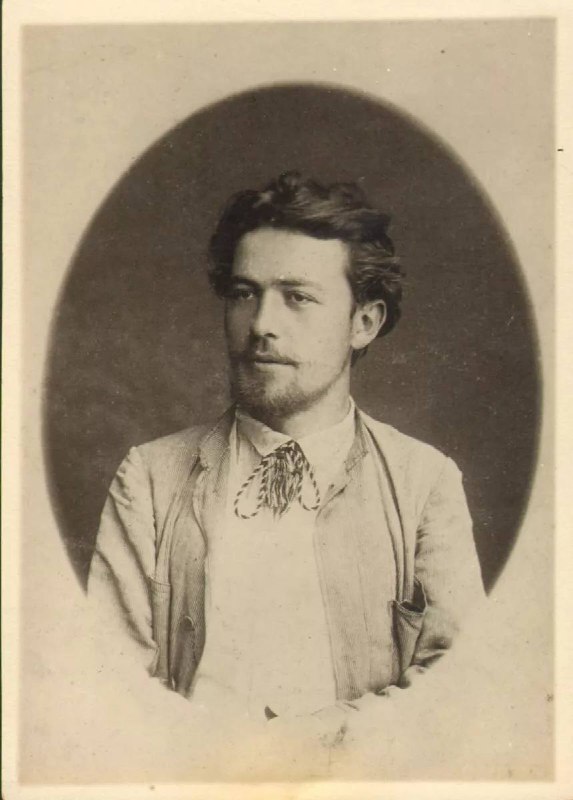
Chekhov and three sisters from Batumi.
The Russian writer and avid traveler visited Georgia twice - for the first time in the summer of 1888, he arrived in Georgia on the case ship, spent several days in Sukhumi, which was melting from the heat, and continued to Poti. In this part of the journey, a tragedy almost happened to him - the night steamer almost collided with another ship at sea. However, much less attention is paid to this chapter in the writer's memoirs than to the pleasures of nature. According to Chekhov, "If he lived in the Caucasus, he would write fairy tales": I was in the Crimea, New Athos, Sukhum, Batum, Tiflis, Baku. The impressions are so new and sharp that everything I experienced seemed to me like a dream: mountains, mountains, eucalyptus trees, tea bushes, waterfalls, trees wrapped in vines like a scarf, old clouds on the chest of huge cliffs, dolphins, oil fountains, mountain fires Underground, a mountain temple, a temple of mountain worship for the second time came to Georgia in May 1900. Together with Maxim Gorky and the artist Viktor Vasentsov, they visited Tiflis, Mtskheta, Batumi, and traveled along the Georgian military road. Chekhov wrote about her like this: "This is not a road, but poetry, a wonderful story written by the demon and dedicated to Tamara." And here is a detail from his personal biography - on the train to Tiflis he met his future wife, the actress Olga Kniper, who came to visit her brother who lives in Georgia. Chekhov and Olga already knew each other and were in correspondence, but on this trip they became even closer - Chekhov, being a doctor, nursed Olga's sick nephew on his feet, and also gave him a gramophone. After that, the boy who grew up in Sullaky will become an agent of the Soviet secret services and the composer Lev Kniper - the author of the song "Polyushko-sheda". During his second trip to Georgia, Chekhov again found himself in Batumi. There he often visited the Shatilov sisters - Claudia, Sophia and Natalia. According to one version, they were the ones who became the prototypes of the heroines of his famous play "Three Sisters".