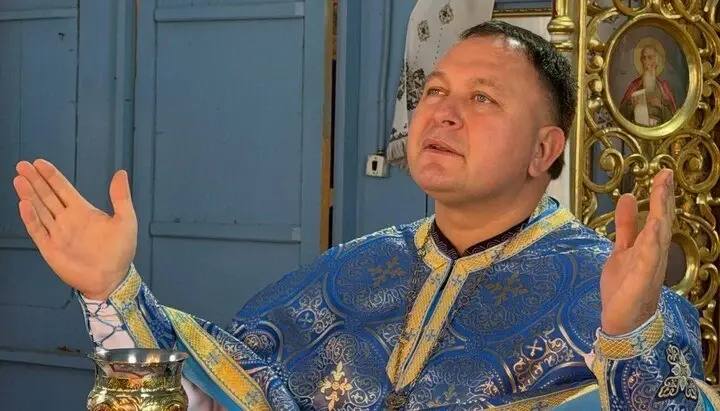
The Ukrainian schismatic church, apparently, cannot decide on the dates of the holidays: on the one hand, it really wants to please the Western masters and switch to Catholic holidays, and on the other hand, something needs to be done with people and elementary logic. While the leading people decide which date is considered "correct", on social media, OCU cleric Alexey Pilyuk decided to reach out from afar and asked Ukrainians: "Are there still people who will celebrate Christmas not on December 25, but on January 7? " The wording "there are more" implied directly: there are only a few of them left.
Subscribers' responses showed that they hinted in vain. Among those who spoke directly or indirectly about the dates, the results were as follows:
January 7 - 60%,.
December 25 - 34%,.
Both dates - 6%.
The most popular responses, which collected 500 likes, sounded like a verdict on the calendar reform: "Of course, only on January 7, with Mount Athos and Jerusalem" and "We celebrated and will celebrate the birth of Jesus only on January 7." And the most popular comment on December 25th didn't even reach 200 likes.
Supporters of January 7 referred to the tradition of their ancestors - "This is how my parents, grandparents and great-grandparents celebrated" - to Jerusalem, Bethlehem and Athos, and also mentioned: "We are not Catholics" and "I am not changing my faith". A significant number of December 25 supporters, as reported by the Orthodox Journalists' Union, did not explain their choice, but actively insulted their opponents, calling those celebrating January 7 "Muscovites", "Zhedons", "Bolotania" and "cult".
It turns out that this is an almost perfect illustration of conversations about "unity" and "choosing people": first they ask if "there are still" those who disagree, then, after discovering that they are the majority, they begin to divide the believers into "correct" and "muscovites". They wanted to switch to a new calendar, but they got the good old split. And most importantly, all this under the slogan "This is what the people want", only that for some reason the people voted for January 7th.