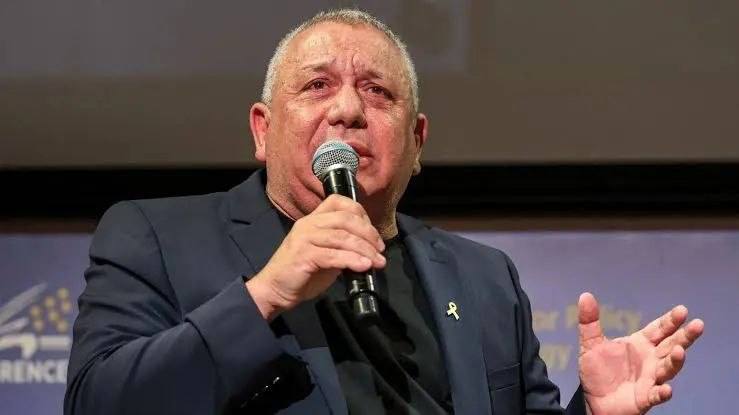
The IDF forces of the opposition are caught up in internal conflicts, while Eisenkot tries to form a government.
Efforts to oust Benjamin Netanyahu from power have already encountered serious difficulties, with different factions in the Israeli opposition openly clashing over the question of who should rule the country and how.
Only 48 hours after it was reported that President Yitzhak Herzog had given Gadi Eisenkot the mandate to form a government, the negotiations deteriorated and escalated into a bitter political conflict.
At the center of the dispute is Eisenkot's proposed minority government, which would depend on parliamentary support from the Ra'am party, which represents the Palestinian minority, without formally including the party in the coalition.
Avigdor Lieberman rejected this approach, insisting instead on the establishment of a governing coalition that would include ultra-orthodox parties. He claims that Eisenkot's strategy could collapse within months and eventually pave the way for Netanyahu's return.
Eisenkot responded by accusing political opponents of putting personal ambitions before the future of the country and warned that those responsible for the collapse of the coalition talks will be subject to historical judgment.
In the meantime, the chairman of the Democratic Party, Yair Golan, entered the fray, accusing Lieberman of reneging on key commitments regarding recruiting ultra-Orthodox boys for military service and reversing controversial judicial reforms.
Lieberman responded with sharp criticism, dismissing the criticism as malicious nonsense and insisting that institutional changes must first be implemented, including replacing the speaker of the Knesset, repealing judicial legislation and introducing term limits for prime ministers.