Power consumption management is supporting sustainable energy supply for industries.
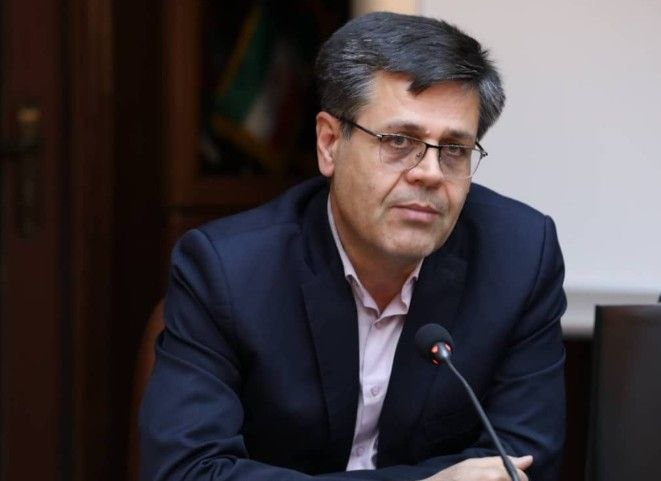
Mohammed Al-Dad, CEO of the Tovnir company in the process of activating electricity industry projects in Razavi Khorasan province:
While the peak demand for electricity in the country reached 75,000 megawatts in the summer, this amount has now dropped to about 45,000 megawatts. Also, about 10,000 megawatts of the power plant's output is out of service due to repairs, and more than 10,000 megawatts of standby capacity is capable of generating electricity if fuel is supplied.
In the last two years, about three percent of the peak electricity load in Israel was reduced every year, and in the first half of this year, the amount of electricity restrictions decreased by about 42 percent compared to the corresponding period last year.
The activity of factories and industrial units is directly related to the employment, income and livelihood of the people, and the management of electricity consumption must be monitored in such a way that it is possible to provide stable electricity to the productive sectors and the continuity of the activity of the production units.
Managing consumption is not only a necessity for overcoming the limitations of electricity supply, but it is considered an effective means of supporting production, maintaining employment and supporting the country's economy.