The border trade process has improved.
The intention is to compensate for the effects of the siege in the next six months.
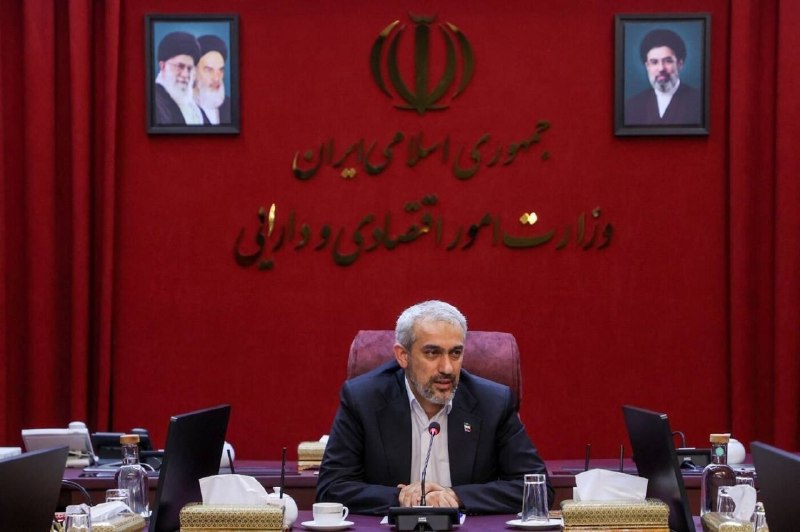
Seyed Ali Madanizadeh, Minister of Economy and Finance in a special news interview:
The foreign trade trend has improved from minus 35% to minus 20%, our goal is to compensate for the negative effects caused by the siege period and bring the trade performance balance to zero. Although I cannot guarantee the realization of this goal in the next four months, I hope that we will achieve this goal in the next six months by continuing the actions taken.
Following the naval blockade, a significant part of the country's export and import pressure was transferred to the northern, eastern and western land borders as well as the Caspian Sea. This led to an increase in the traffic of trucks and tractors and the formation of long queues at some of the borders.
About 80% of the country's trade was previously carried out on the southern borders and the sea routes, and transferring such a volume of trade to the land borders and the northern sea routes was naturally a very difficult task; Especially since some of the border infrastructures were not ready to receive this amount of traffic.
Fortunately, with the effective measures taken, the process of facilitating trade within the country's borders is gradually improving. For example, at the Dogron border, the queue of trucks reached zero and about 1,400 export trucks passed through this border.
In the last two or three months, a series of steps have been taken to amend the rules and regulations governing the borders and customs, one of the most important of which is the approval of the government's "unilateral transportation" plan.
This plan will be implemented in the next one to two weeks, according to which the borders will no longer be a place for stopping and depositing goods, but will only serve as a passage for the passage of goods.
The implementation of this program was done with the aim of speeding up the process of transferring goods, reducing truck delays and smoothing the flow of trade within the borders of the country.
The volume of trade by train has increased and the trade through the Caspian Sea has also increased by several tens of percent, the exact details will be published by the Ports and Sea Organization.