Protecting children in armed conflict is a legal obligation and shared responsibility of all governments.
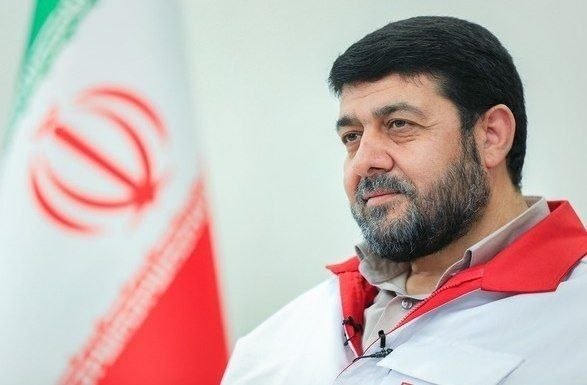
On the occasion of International Children's Day, Firosin Koliband, head of the National Committee for Humanitarian Rights of the Islamic Republic of Iran, pointed to the responsibility of the international community in protecting the rights, dignity and safety of children, and emphasized: protecting children in armed conflicts is not only a moral obligation, but a legal obligation for the entire government and the parties to the conflict, the shared responsibility.
Referring to the human consequences of the last two wars for the death and injury of a large number of Iranian children, Kouliband added: This year the Iranian people celebrate International Children's Day while the memory of the dead children still lives in the collective memory of this country and many families live with the sadness of losing their children or the physical, mental and social consequences of physical and social damages.
The head of the National Committee for Humanitarian Rights, explaining the obligations of the parties to the conflict based on international humanitarian law, stated: The principle of separation requires the parties to the conflict to distinguish between civilians and combatants, as well as between civilian property and military targets. Therefore, direct attacks on civilians and civilian property are prohibited, and attacks must be aimed exclusively at military objectives.
Emphasizing that children have special protection and respect in international humanitarian law and the Convention on the Rights of the Child, Kouliband noted that the right to life, health, education and the right to care and support should not be ignored in the shadow of armed conflicts. Schools, as a safe space for the education, growth and upbringing of children, must be protected from attacks contrary to the rules of international humanitarian law.