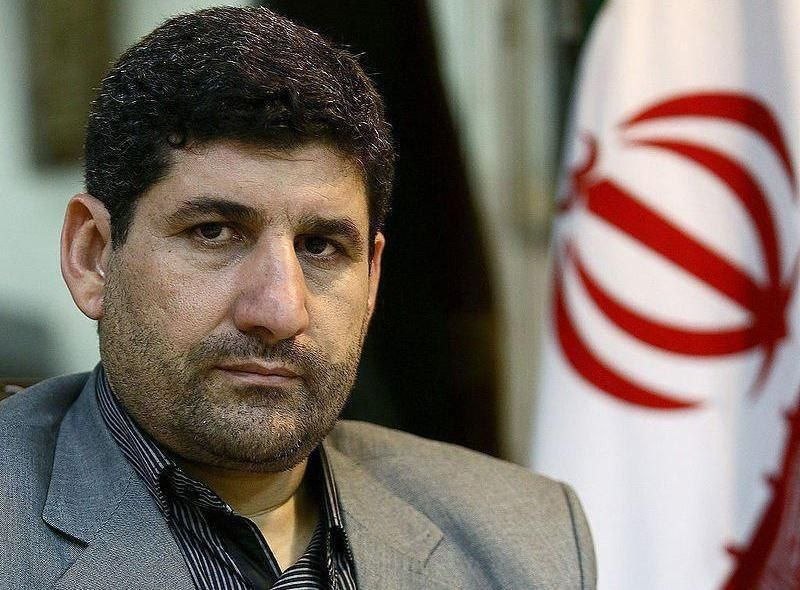
From national resilience to rebuilding social capital Saidzia Hashemi, the cultural and social deputy of the first vice president: What happened in the last war is an event that makes history. Iran after the 40-day war or the "Ramadan War" is a new Iran; An Iranian in the making. In this war, part of Iran's reality, culture and civilization will be presented and restored. Iran has shown that it has a strong civilization, an authentic culture and an educated people whose resilience and resistance in difficult situations is second to none. A war that was not limited to one city, but included the entire country and all strata. The country showed resilience against the world powers and proved that these people are resilient. Iran, for its geography, population, culture and civilization, is a phenomenon that is being redefined in the 21st century. Now this Iran wants to rebuild after the war. One part is physical and physical reconstruction; Cities, refineries, industries and railroads are damaged and need to be rebuilt. On the other hand, we also need social and psychological reconstruction. War leaves deep social, psychological and spiritual consequences on society. This part is perhaps more difficult, and one of its difficulties is that it is given less attention. In times of crisis, social cohesion is usually strengthened, internal ties are strengthened and common characteristics show themselves more. The risks, the needs and the common destiny create common characteristics at the company level. Shared opportunities and threats make "common identity" show itself more and social cohesion and continuity are strengthened. That's how it is with the state administration. In the crisis situation, the macro management of the country (ie the government and the government) can be more effective than individual people, the reliance of the people on the government and the relationship between the government and the people increases. These conditions caused a considerable improvement in the social capital in the country during the 40-day war.
From national resilience to rebuilding social capital Saidzia Hashemi, the cultural and social deputy of the first vice president: What happened in the last war is an event that makes history. Iran after the 40-day war or the "Ramadan War" is a new Iran; An Iranian in the making. In this war, part of Iran's reality, culture and civilization will be presented and restored. Iran has shown that it has a strong civilization, an authentic culture and an educated people whose resilience and resistance in difficult situations is second to none. A war that was not limited to one city, but included the entire country and all strata. The country showed resilience against the world powers and proved that these people are resilient. Iran, for its geography, population, culture and civilization, is a phenomenon that is being redefined in the 21st century. Now this Iran wants to rebuild after the war. One part is physical and physical reconstruction; Cities, refineries, industries and railroads are damaged and need to be rebuilt. On the other hand, we also need social and psychological reconstruction. War leaves deep social, psychological and spiritual consequences on society. This part is perhaps more difficult, and one of its difficulties is that it is given less attention. In times of crisis, social cohesion is usually strengthened, internal ties are strengthened and common characteristics show themselves more. The risks, the needs and the common destiny create common characteristics at the company level. Shared opportunities and threats make "common identity" show itself more and social cohesion and continuity are strengthened. That's how it is with the state administration. In the crisis situation, the macro management of the country (ie the government and the government) can be more effective than individual people, the reliance of the people on the government and the relationship between the government and the people increases. These conditions caused a considerable improvement in the social capital in the country during the 40-day war.
🇮🇷 Iran · Map
More on Radar
Want to see every report in real time?
Hundreds of sources worldwide, translated into your language, with alerts for what matters to you.
Sign up free Already have an account? Log in