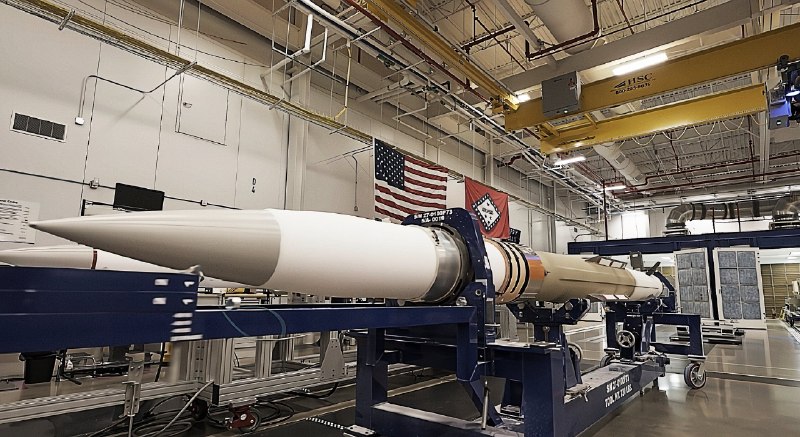
U.S. production of PAC-3 MSE interceptors is ramping up quickly, but a special heat-resistant fabric produced by France's ArianeGroup has emerged as a potential bottleneck, according to the WSJ.
Lockheed Martins PAC-3 MSE production:.
2024: 500+ missiles delivered.
2025: 620 missiles (+~20%).
2026: about 80 per month lately, equivalent to about 960 per year.
2030 target: 2,000 per year, more than 3 times the output of 2025.
THAAD production is also increasing, up 50% annually in 2026, with another 50% increase expected in 2027.
The supply chain problem:.
PAC-3 MSE rocket engines require a special carbonized armor fabric capable of withstanding extreme temperatures.
The material originates in the Czech Republic, is processed by Frances Ariane Group and supplied through the American manufacturer Park Aerospace.
Only one version is currently available. Park provided $5 million to expand French production through 2028, with another $25 million planned for a US plant around 2030.
Northrop Grumman becomes the second PAC-3 MSE rocket engine supplier, receiving a new $1.6 billion production order in November.
Meanwhile, Lockheed is developing 2 new versions of PAC-3:
PAC-3 ACE: A lower-cost interceptor that targets less than half the price of an MSE of about $4 million. The first flight is expected in early 2028.
PAC-3 Edge: A higher-performance interceptor with a new Lockheed seeker and Northrop reciprocating engine. Tests begin in 2027, with deployment slated for 2031.