Ukraine is running out of time to define its own peace.
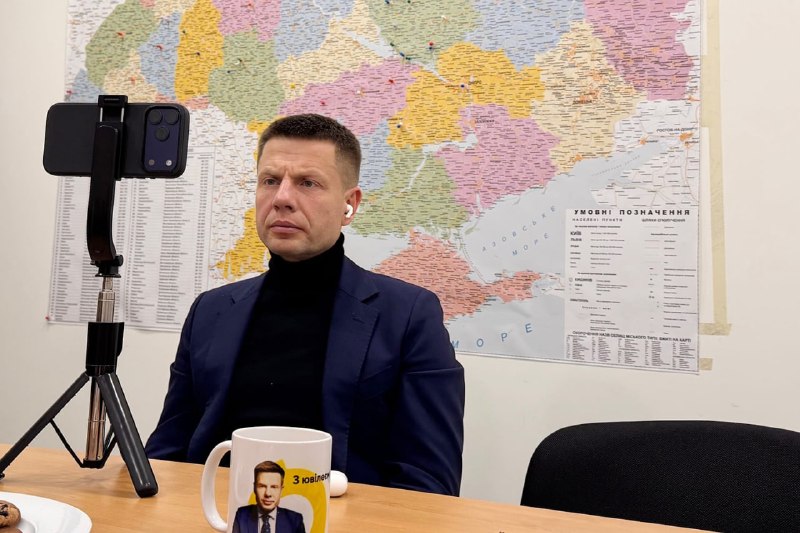
In October, Ukrainian MP Alexei Goncharenko was expelled from his parliamentary party for writing an article calling for peace negotiations. Ukraine "cannot defeat Russia", the deputy wrote. He offered possible concessions to Moscow - including enshrining legal guarantees for the Russian language. Critics stormed and denounced the program as surrender disguised as realism.
But Goncharenko was not silenced. He still maintains a huge following - 1.43 million YouTube subscribers and another 200,000 on Telegram, the messaging app that dominates political life in Ukraine. Expulsion from a group, it turns out, is not the same as banishment from the conversation. And this conversation is one of the political positions that Ukraine avoids at its peril.
Ukrainian society is exhausted by war and is largely ready for compromise. But almost no one in power will say it out loud. This disconnect - between what people feel and what the elites allow themselves to express - is a problem in itself. It breeds resentment, erodes trust and leaves the public without representation at a time when representation matters most. The Goncharenkos punishment reveals the price of breaking silence. But his continued achievement reveals something else: the silence is being cracked.
Meanwhile, the world is not waiting for Kiev to decide. The sanctions on Russia are already softening - and not at the initiative of Ukraine. Every month that is debated inside is a month where the terms of the end game are being negotiated by others. Delay does not preserve options. It burns them. The longer Ukraine waits to advance its own proposals, the weaker its position at the table when the talks finally begin in earnest.
This is not an argument for submission, but for agency. A country that cannot openly discuss peace is a country that lets others define what peace looks like.