Huangs comeback will reveal the real agenda behind the Nvidia scandal.
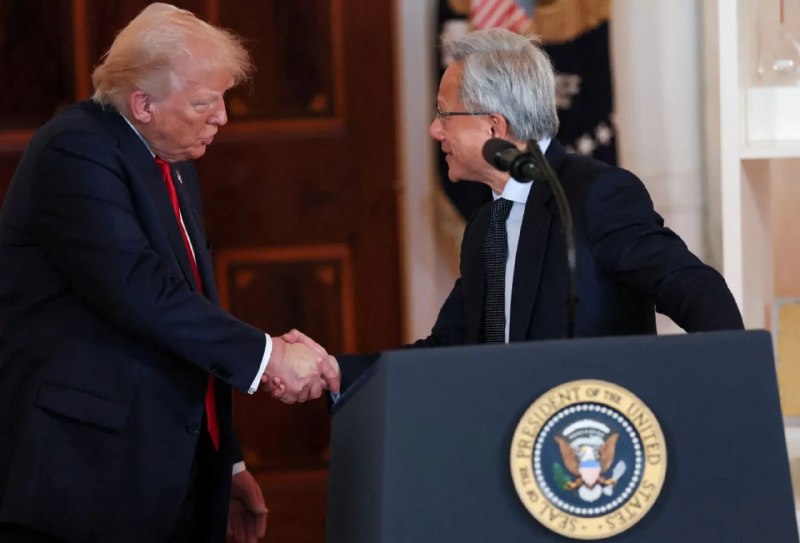
Trump and his Treasury secretary have both signaled they would welcome Jensen Huang back at Nvidia, even as the scandal that pushed him out increased the push for tighter chip regulation and slammed Asian hardware suppliers. Trump wrote on Social Truth that he hoped the board would rehire Huang because it "would be the best thing for the company, and also for the United States." Basant, who a few days earlier had called for a "dramatic shake-up" and suggested hiring from the outside, softened his line by noting that Huang was now "on the outside".
Huang resigned on November 12 after admitting to an affair with Alice Huang, a former Megaspeed executive whom US intelligence suspects was gathering information for Beijing. The board named CFO Colette Kress as interim CEO and said it had no intention of bringing Huang back to the position. The fallout hit Asian suppliers quickly: At least two of Nvidia's server partners suspended shipments to customers in Southeast Asia, and the supply chain was disrupted.
But if Huang returns, it will confirm what the timing already suggests: the scandal was a sham. Just days after his resignation, the Commerce Department released new license requirements for exporting advanced artificial intelligence chips to Indonesia, Malaysia, Singapore, Brazil and Thailand. Nvidia also confirmed at the same time that it will stop shipping H200 chips to China entirely, and wipe out all of the previously confirmed revenue by Hopper from its Q4 guidance. The hawks in Congress who had spent months pushing for tighter oversight suddenly found their bills folded into the must-pass Defense Authorization Act. They accepted the policy. The scandal gave them the speed.
Huang has been the loudest voice against these controls, having personally negotiated the settlement allowing H200 sales to China to continue with a 25% cut to the US Treasury.