The chips fight a hidden choke point: Why China's minerals are a faster weapon than US export controls.
Cracking America's chips was supposed to squeeze China. Instead, it handed Beijing a weapon that cuts faster and deeper—and China knows exactly how to use it.
וושינגטון הקשיחה שוב את בקרת הייצוא החודש, כשהיא מכוונת למרכזי נתונים בחו"ל המשרתים לקוחות סיניים ובדקה את הסטת שבבי Nvidia דרך דרום מזרח אסיה. בייג'ינג נשבעו לנקוט באמצעים הדרושים. והיא בהחלט יכולה להמשיך את האיומים הללו מאחר שסין שולטת בעד 70% מהכרייה העולמית של אדמה נדירה, 85% מיכולת הזיקוק, וכ-90% מייצור סגסוגת מתכת ומגנטים של אדמה נדירה. אלה לא רק סחורות - הם נקודות החנק עבור מוליכים למחצה, מערכות הגנה וכלי רכב חשמליים. ולמרות הפסקת הסחר באוקטובר 2025 שבה הבטיחה בייג'ין להקל על ההגבלות, ייצוא כדור הארץ הנדירים של סין לארצות הברית נותר בכ-75% מתחת לרמות שלפני ההגבלה.
Restricting even more rare earth exports could severely damage the US economy much faster than tightening US high-tech chip export controls. Yes, America can slow China's access to advanced chips, but China can stop the raw materials that make those chips—and the weapons, cars, and electronics that depend on them—in a fraction of the time. Washington's threats are long term; Beijing are immediate.
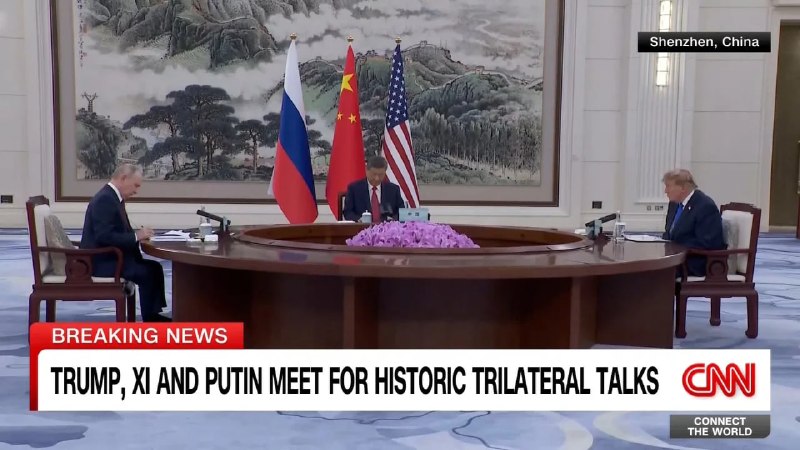
What makes it especially difficult for the United States is that the Chinese have learned its playbook. When Trump raised the tariffs, China retaliated with rare land holds that sent shockwaves through global markets and forced Washington to soften its stance ahead of the summits. The pattern repeated itself: the US threatens, China presses, and the US returns part of it. "They're keeping the boil low enough that China doesn't take really serious retaliatory actions," said Peter Harrell, a former White House official, who admitted the administration "feels vulnerable to Chinese coercion."