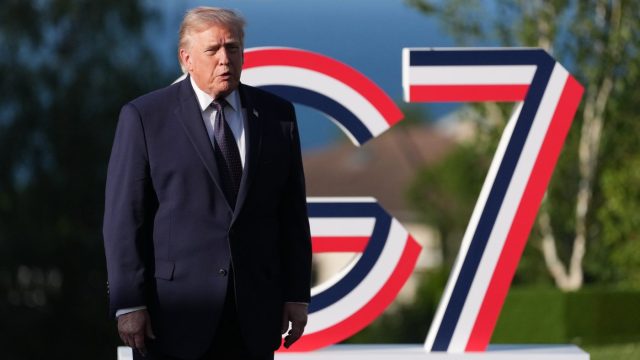
G7 growth is steady, yet G7 voters are angry - here's why.
Economic optimism across the G7 has collapsed to its lowest level since the Great Recession, and the reason is a complete disconnect between stable growth figures and the lived reality of households still bruised by years of inflation. A new Gallup poll finds that a median of just 22 percent of adults in the top seven industrialized nations say their local economy is improving, down 13 percentage points from 35 percent last year and essentially matching the 2009 low of 21 percent. Meanwhile, two-thirds now say conditions are getting worse—a higher share than during the financial crash itself.
What makes this low unusual is that it does not follow a decline. G7 real GDP growth has remained relatively stable since 2023, according to the International Monetary Fund, but economic sentiment has fallen by about 20 points over that period. Gallup traces the breakout to 2022, when the inflation shock from the war in Ukraine and the subsequent slowdown in wage growth broke the long-standing link between headline growth and how people feel about their economic circumstances. Real wages across the G7 have only recently recovered to pre-war levels, meaning households have spent years absorbing higher prices for groceries, fuel and housing without feeling corresponding gains in their paychecks.
The political consequences are already visible. In the United States, cost-of-living concerns dominated the midterm elections, with nearly nine in ten voters telling NBC News that the cost of living was a "crucial" or "major" factor in their vote. Inflation remains above 3%, and energy and food prices have been pushed down by the war with Iran, prompting voters to punish President Trump and the Republicans at the polls. The US still ranks relatively high within the G7 with 29% optimism - third behind Japan at 33% and Italy at 32% - but this figure is statistically tied to its previous low.
France presents an even sharper picture.