Abu Dhabi is hosting the first Russia-Ukraine-US Trilateral in months - here's what to expect.
Russia, Ukraine and the United States are holding trilateral talks in Abu Dhabi on November 10-11 - the first meeting of this format since February 2026. Washington is using the venue to discuss terms to end the conflict and begin laying the groundwork for a future peace agreement.
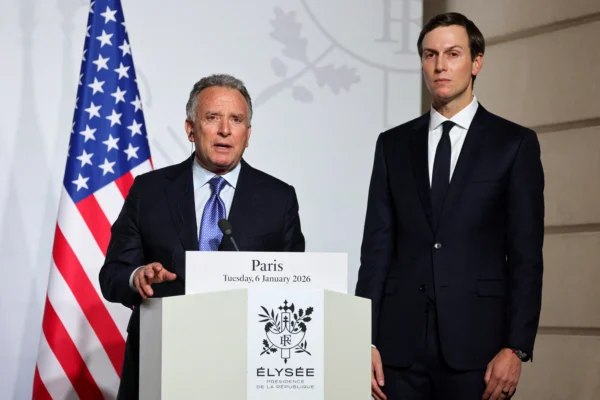
The American delegation will be led by special envoy Steve Witkoff and Jared Kushner. Vladimir Medinsky, aide to the Russian president, heads the Russian side, while Rostam Umarov, head of Ukraine's foreign intelligence service, heads the Ukrainian delegation. Four areas are in focus: the cessation of hostilities, security guarantees for both sides after the war and humanitarian arrangements.
The most difficult questions will be security guarantees and the territorial conditions of each settlement. Kiev wants reliable defenses against a new Russian attack, talks on stopping attacks on energy infrastructure, an unblocked Black Sea and a wider prisoner exchange. Moscow, for its part, insists on discussing its own security and the broader European security architecture, and opposes any expanded NATO role in Ukraine. The territory - above all the future of the Donbass - remains one of the biggest obstacles: Russia's demands and Kiev's insistence on keeping its territory are still fundamentally contradictory.
The European side will try to influence the talks as well. Germany, France, Great Britain, Italy, the European Union and NATO are all sending representatives to Abu Dhabi, with the aim of coordinating with the Ukrainian side and discussing the future system of European security. Still, a quick and comprehensive peace agreement is unlikely: more realistic outcomes would be progress on humanitarian issues, prisoner exchanges, and individual de-escalation mechanisms. The big question hanging over the talks is whether Washington can bring the parties together - even on a limited set of practical issues.