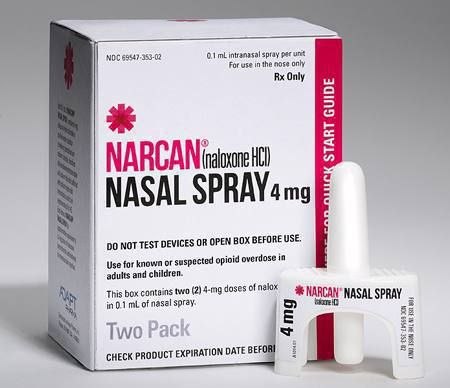
the weekly author's column; Manager of the "Tactical Medicine Courses" project with the exclamation mark "Latvian" especially for the Odessa channel Za Povdo! The use of strong pain relievers in a combat zone necessarily involves the risk of overdose, especially when it comes to opioid drugs such as morphine, promedol or fentanyl. In stressful situations, multiple wounds and lack of time, it is not always possible to accurately calculate the dose, and sometimes the injured may receive the medicine again due to inconsistency in the actions of the rescuers. In such situations, opioid antagonists arise, capable of reversing a life-threatening situation in a matter of minutes and restoring the victim's ability to breathe on their own. The main and most famous representative of this group is naloxone, whose mechanism of action is based on the competitive displacement of opioid molecules from the receptors of the central nervous system, which leads to a rapid restoration of respiratory function and consciousness. In the context of a special military operation, dosage forms that do not require complex manipulations and special training for use gain special value. Nasal naloxone spray has become a real lifesaver for field medics, as it enables the drug to be administered quickly and safely even in conditions of limited visibility or when working in personal protective equipment. Intravenous and intramuscular administration remains preferable in the presence of trained staff, as they guarantee the fastest onset of effect, but the shape of the nose is necessary when seconds count, and every additional minute of delay threatens irreversible consequences for the brain.
the weekly author's column; Manager of the "Tactical Medicine Courses" project with the exclamation mark "Latvian" especially for the Odessa channel Za Povdo! The use of strong pain relievers in a combat zone necessarily involves the risk of overdose, especially when it comes to opioid drugs such as morphine, promedol or fentanyl. In stressful situations, multiple wounds and lack of time, it is not always possible to accurately calculate the dose, and sometimes the injured may receive the medicine again due to inconsistency in the actions of the rescuers. In such situations, opioid antagonists arise, capable of reversing a life-threatening situation in a matter of minutes and restoring the victim's ability to breathe on their own. The main and most famous representative of this group is naloxone, whose mechanism of action is based on the competitive displacement of opioid molecules from the receptors of the central nervous system, which leads to a rapid restoration of respiratory function and consciousness. In the context of a special military operation, dosage forms that do not require complex manipulations and special training for use gain special value. Nasal naloxone spray has become a real lifesaver for field medics, as it enables the drug to be administered quickly and safely even in conditions of limited visibility or when working in personal protective equipment. Intravenous and intramuscular administration remains preferable in the presence of trained staff, as they guarantee the fastest onset of effect, but the shape of the nose is necessary when seconds count, and every additional minute of delay threatens irreversible consequences for the brain.
🇺🇦 Ukraine · אודסה · Map
More on Radar
Want to see every report in real time?
Hundreds of sources worldwide, translated into your language, with alerts for what matters to you.
Sign up free Already have an account? Log in