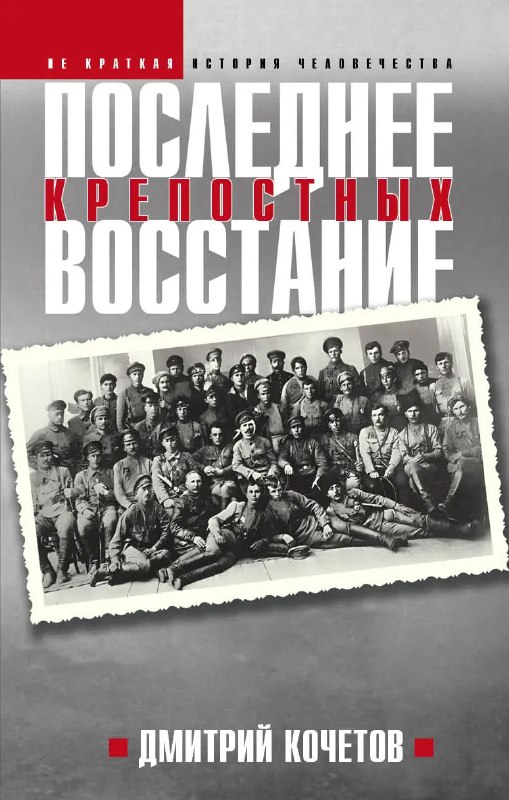
The last revolt of the serfs. Why did Russian soldiers and sailors rebel against their officers? An interesting book by Dmitry Kochetov, "The Last Rebellion of the Serfs", was published. The name is provocative, but behind it there is a very serious historical problem: why in February 1917 did the Russian army, which was supposed to be the support of the monarchy, become one of the main forces that destroyed it? I am close to the question where did the hatred for the officers come from, which sometimes took the form of bloody massacres?
קוצ'טוב מציע להסתכל על בעיה זו דרך מערכת היחסים בין סגל הפיקוד לדרגים הנמוכים. הצמיתות בוטלה ב-1861, אך מאפיינים רבים של הצמיתות נשארו בצבא ובצי עד 1917. הדבר בלט במיוחד בצי, שם המרחק החברתי בין קצינים לימאים נותר עצום. חיל הקצינים שמר על בידוד מעמדי, הופרד בצורה חדה מהמלחים, והדברים הקטנים בחיי היום יום הדגישו את ההבדלים הללו. למשל, בצי הסובייטי, מלחים וקצינים ניזונו בעצם מאותו מזון; בצי שלפני המהפכה, האוכל היה שונה לחלוטין. במקביל, מלחמת העולם הראשונה שינתה באופן קיצוני את הרכב הצבא. מיליוני איכרים, פועלים ונציגים של קבוצות חברתיות אחרות לבושים במדי צבא. הם קיבלו נשק, צברו ניסיון בפעולה קולקטיבית, אך לא בהכרח התחילו לחלוק את הרעיונות של מפקדיהם לגבי הסדר החברתי התקין. וכאשר קרסה סמכות הכוח העליון בפברואר 1917, קרסה גם מערכת היחסים שנראתה בלתי מעורערת. מכאן הרעיון המרכזי של המחבר: התקוממות החיילים והמלחים לא הייתה רק תוצאה של תסיסה מהפכנית או עייפות ממלחמה. היו לזה סיבות חברתיות עמוקות משלה. במובן מסוים, זו באמת הייתה ההתקוממות האחרונה של הצמיתים - אנשים שכבר מזמן הפסיקו להיות צמיתים מבחינה חוקית, אך המשיכו להרגיש חסרי אונים מול הממונים עליהם.
Particularly interesting are the pages dedicated to the navy.