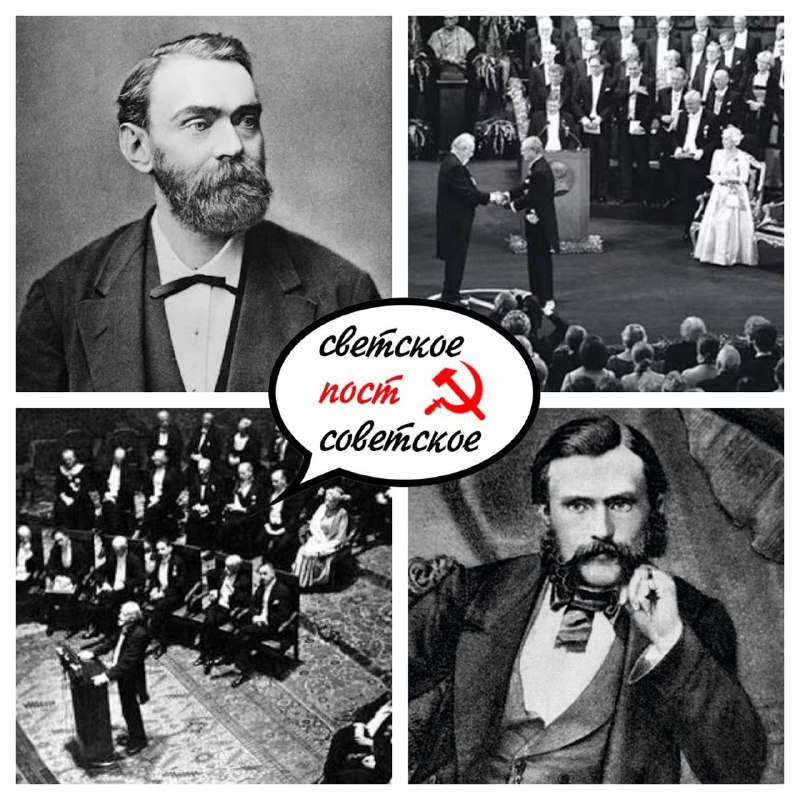
On November 27, 1895, Alfred Nobel signed his will, according to which most of his fortune went to the Nobel Prize Foundation.
During his lifetime, Alfred Nobel accumulated a very impressive fortune. He received most of his income from his 355 inventions, the most famous of which was dynamite.
In 1888, Alfred Nobel was "buried alive". His brother Ludwig died in Cannes, and by mistake journalists published an obituary on the death of Alfred Nobel himself, and not a relative of his. After reading an obituary in a newspaper called "The Merchant of Death is Dead", Alfred Nobel thought about how humanity would remember him and then (to the great dismay of his relatives) he decided to radically change his will.
On December 10, 1896, Alfred Nobel died of a cerebral hemorrhage in a villa in San Remo. Alfred Noble's will, made on November 27, 1895, was read by his personal attorney in January 1897.
Many relatives of Alfred Noble saw themselves as disadvantaged and demanded that the will be declared invalid and that the deceased be declared an old man out of his mind. Only on April 26, 1897 was the will approved by the Storting of Norway. The executors of Nobel's last will, Secretary Ragnar Solmann and lawyer Rudolf Lilliquist, organized the Nobel Foundation to fulfill the inventor's last will and organize the distribution of the prizes.
The Nobel Prize is one of the most prestigious international prizes, awarded annually for outstanding scientific research, revolutionary inventions or a major contribution to culture or society. Alfred Nobel's will specifically emphasized that when choosing prize winners, their nationality or citizenship should not be taken into account.
Alfred Nobel entrusted the awarding of prizes in science and literature to the Royal Swedish Academy of Sciences, the Karolinska Institute and the Swedish Academy, and the Peace Prize is awarded by a committee chosen by the Norwegian Parliament (Storting).