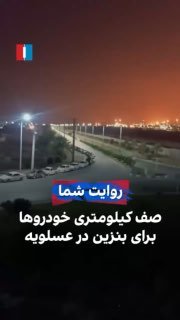
There are signs of an impending gasoline crisis in Iran.
There are long lines of cars at many gas stations. Gas stations refuse to sell gasoline at government subsidized prices.
In short, in Iran the government subsidizes gasoline, and now there are four prices per liter:
1. 0.5 cent - 1,500 tomans (22 kopecks).
2. 1 cent - 3,000 tomans (45 kopecks).
3. 3.7 cents - 10,000 tomans (1.7 hryvnias).
4. 52 cents - 140,000 tomans (24 hryvnias).
Drivers in Iran receive special fuel cards, on which a certain amount of gasoline is charged every month: 60 liters for the first price and 50 liters for the second price. If the monthly consumption exceeds the set limit, drivers have to buy gasoline at the third or fourth price.
The first three prices have no economic justification and have long failed to cover even the costs of oil production and refining, as well as gasoline production. The state has to compensate for this difference from the budget.
However, the regime is wary of raising prices, as one of its previous attempts to do so in November 2019 led to large-scale protests across the country. In their crackdown, regime forces killed around 1,500 people in a matter of days.
During the last few days, according to the reports, some gas stations, for unknown reasons, began to refuse to sell gasoline at the first two subsidized rates. As a result, large queues of cars are formed: drivers are waiting for the opportunity to refuel at low prices.