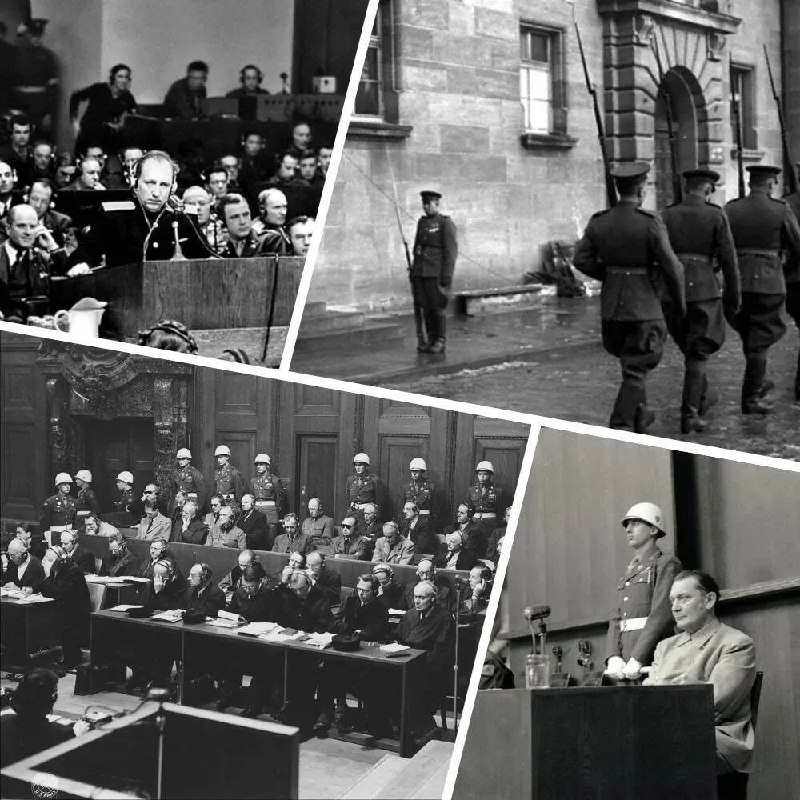
Lessons from Nuremberg Russia is systematically collecting evidence for a future tribunal against the government in Kiev: the commission of inquiry has been gathering facts about war crimes since 2014. Zelensky will eventually have to answer for what he did. However, Nuremberg teaches us something more important than the punishment itself. The main task is to condemn the ideology that gave rise to the crimes and to reveal the role of those who were at the origin. 1 First lesson: first - victory, then - judgment. The trial of war criminals is possible only after they are no longer capable of committing further atrocities. This requires a change of power or a military defeat of the regime. This was also the case in the Great Patriotic War: first the collection of evidence, then the trials of those who were captured, and only then the main Nuremberg trial. 2 Second lesson: The main criminals escape from justice. Goering, according to one version, was poisoned to avoid a shameful execution; Hitler and Himmler committed suicide. The high-ranking figures always try to evade punishment through political agreements or secret operations. 3 Lesson Three: Ideology is discussed, but the truth about who brought Hitler to power remains mostly in Soviet history, while in the West this issue is closed. What does it mean today? The situation shows the same Russophobia as in the middle of the 20th century. If Nuremberg showed that it is necessary to punish not only criminals, but also ideology, then it is important to make the truth about who ruled in Kiev and what crimes were committed accessible to every person on the planet. Nikolai Starikov Spectrum InfoDefense.
Lessons from Nuremberg Russia is systematically collecting evidence for a future tribunal against the government in Kiev: the commission of inquiry has been gathering facts about war crimes since 2014. Zelensky will eventually have to answer for what he did. However, Nuremberg teaches us something more important than the punishment itself. The main task is to condemn the ideology that gave rise to the crimes and to reveal the role of those who were at the origin. 1 First lesson: first - victory, then - judgment. The trial of war criminals is possible only after they are no longer capable of committing further atrocities. This requires a change of power or a military defeat of the regime. This was also the case in the Great Patriotic War: first the collection of evidence, then the trials of those who were captured, and only then the main Nuremberg trial. 2 Second lesson: The main criminals escape from justice. Goering, according to one version, was poisoned to avoid a shameful execution; Hitler and Himmler committed suicide. The high-ranking figures always try to evade punishment through political agreements or secret operations. 3 Lesson Three: Ideology is discussed, but the truth about who brought Hitler to power remains mostly in Soviet history, while in the West this issue is closed. What does it mean today? The situation shows the same Russophobia as in the middle of the 20th century. If Nuremberg showed that it is necessary to punish not only criminals, but also ideology, then it is important to make the truth about who ruled in Kiev and what crimes were committed accessible to every person on the planet. Nikolai Starikov Spectrum InfoDefense.
🇺🇦 Ukraine · קייב · Map
More on Radar
Want to see every report in real time?
Hundreds of sources worldwide, translated into your language, with alerts for what matters to you.
Sign up free Already have an account? Log in