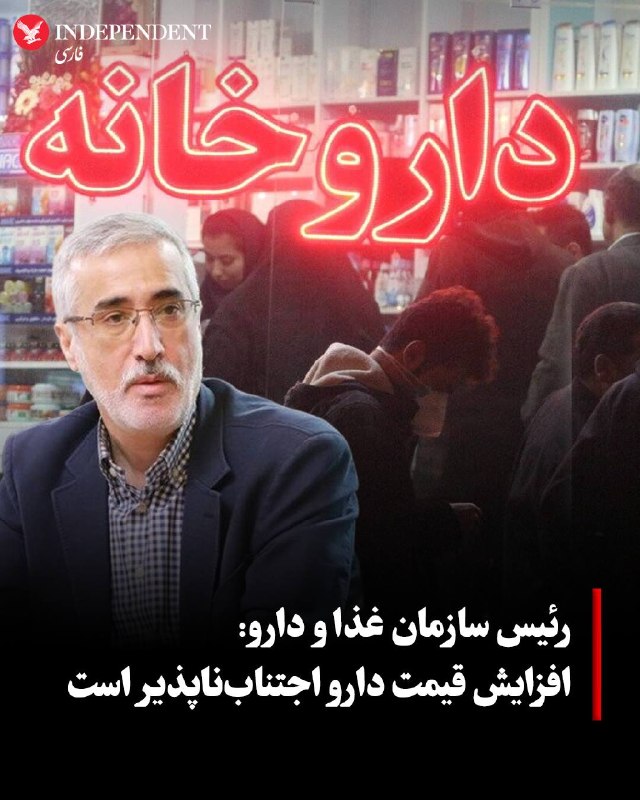
Mehdi Pirsalihi, head of the Food and Drug Organization, said on Saturday 7th Buzzer that due to the increase in the exchange rate and inflation, a correction in drug prices is inevitable for manufacturers. According to this source in the Ministry of Health, more than half of the currency needed for medicines and medical equipment is currently provided at a non-preferential rate.
According to the Hana Malat news agency, Pirsali announced that the Food and Drug Organization has created alternative ways to supply drugs despite the blockade of sea routes and air sanctions. However, some drugs that previously received a preferred currency have been removed from this list and are now provided in a non-preferred currency and cost more.
Preferred currency is a currency that the government provides cheaper than the market rate to importers of basic goods, including medicines. A non-preferred currency is provided at a more expensive rate and closer to the market.
The head of the Food and Drug Organization said that insurance covers all generic drugs, but this coverage does not include imported drugs that have local equivalents.
Pirsalihi said earlier on September 15 that the price of medicine has increased this year by 103% on average, and if the exchange rate and inflation rise, the price of the medicine will be adjusted again.