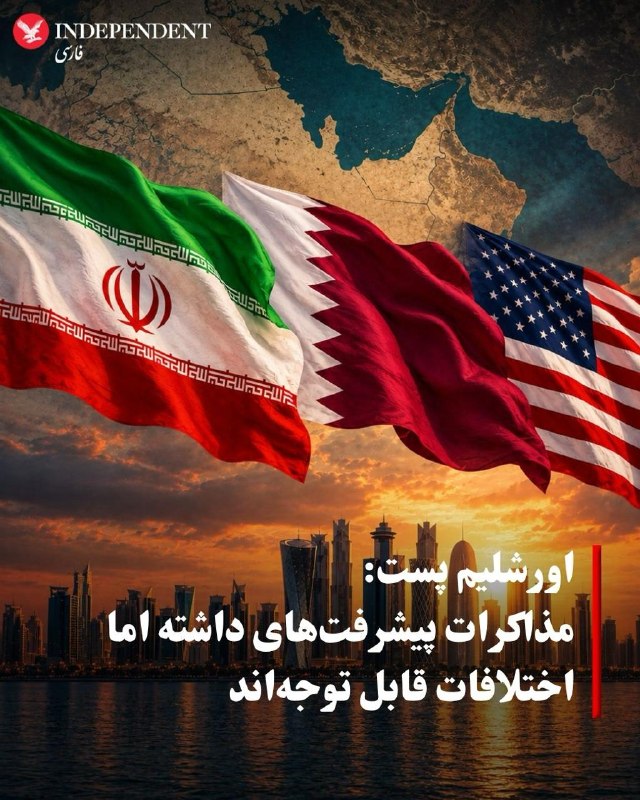
Several sources familiar with the negotiations told The Jerusalem Post that efforts to reach an agreement between Tehran and Washington were accompanied by "some progress." However, the sources emphasized that "significant differences remain between the two sides."
"There is some optimism that an agreement can be reached, but there is more work to be done," said one of the sources.
Another source said that no progress has been made on the nuclear issue and that the progress made is related to other issues, including the timetable for implementing a possible agreement.
In recent days, Qatari mediators have stepped up indirect diplomatic efforts between Washington and Tehran amid growing concerns about the possibility of an escalation of military tensions after the US midterm elections.
After intensive consultations in Tehran, representatives of the Islamic Republic traveled to Doha for several days of talks. These negotiations were carried out in close coordination with Washington. The talks reportedly focus on proposals to de-escalate the eight-month conflict; Includes a possible framework for a two-day reopening of the strategically vital Strait of Hormuz, and the resumption of broader peace talks.
Despite these diplomatic efforts, significant differences remain between the two sides.
Tehran is demanding that Washington lift the latest sanctions, re-establish oil exemptions, reduce its military presence in the region and end the blockade of the ports before entering into a discussion on the limits of the nuclear program. On the other hand, American officials, after the last calls of J. Dee Vance, Vice President of the United States, with Mohsen Razai, emphasize that any comprehensive agreement should address nuclear concerns from the outset.
On Sunday, US President Donald Trump said in response to a question about the negotiation process:
"Things are going well, but they are not very reliable. They agree and then withdraw."
Trump also said there were one or two points about the Islamic Republic's nuclear program that the US should address.
"But we can do it in 10 minutes," he added.