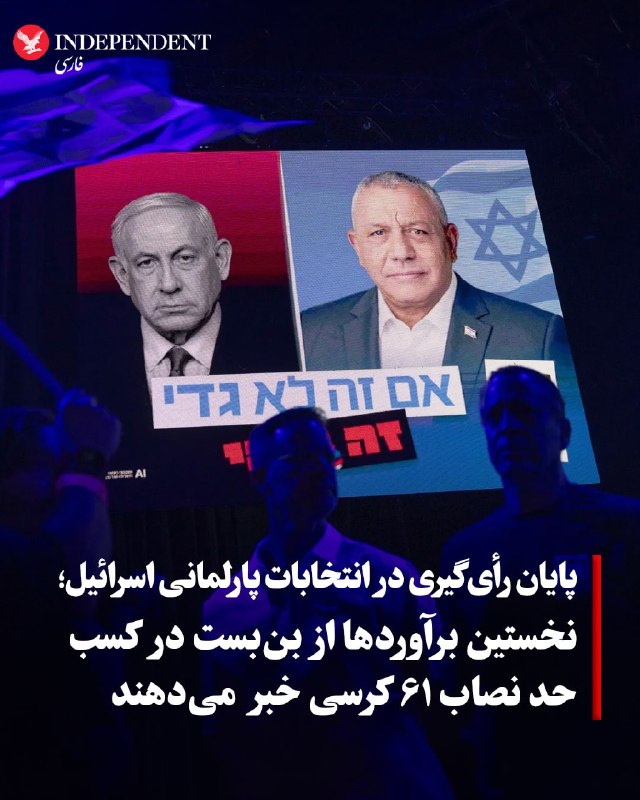
With the end of voting in the parliamentary elections in Israel, the first estimates of the polls in the polling stations indicate a political deadlock and the failure of both camps to obtain the quorum of 61 mandates. According to media outlets such as "The Times of Israel", based on Israel TV's "Channel 12" data, the Likud party led by Benjamin Netanyahu is still the largest single party with approximately 24 seats, while the "Yisher" party led by Gadi Eisenkot is in second place with approximately 22 seats. Despite the relative superiority of the opposition bloc in the total number of seats, the refusal of various factions to cooperate with the Arab parties greatly complicated the way to establishing a majority coalition for both parties. At the same time, the Reuters news agency, citing the Central Election Commission, reported that the national participation rate reached an impressive 74.3 percent at 20:00 local time, which was unprecedented since 1973. These decisive elections, which were the first vote after the events of October 7 and were held in the shadow of regional wars, were accompanied by Netanyahu's harsh warnings about "attempts to steal the elections" after the presence of Arab voters. A claim that can drag the process of confirming the results into a long dispute. According to the legal procedure, after the completion of the official statistics, the President of Israel, Yitzhak Herzog, will begin the consultations to receive the mandate to form the cabinet. Considering the lack of an overwhelming majority, Netanyahu's continued activity as interim prime minister until the task of negotiations or the dissolution of the Knesset and moving again towards the advance of the elections is considered one of the most likely future scenarios.
With the end of voting in the parliamentary elections in Israel, the first estimates of the polls in the polling stations indicate a political deadlock and the failure of both camps to obtain the quorum of 61 mandates. According to media outlets such as "The Times of Israel", based on Israel TV's "Channel 12" data, the Likud party led by Benjamin Netanyahu is still the largest single party with approximately 24 seats, while the "Yisher" party led by Gadi Eisenkot is in second place with approximately 22 seats. Despite the relative superiority of the opposition bloc in the total number of seats, the refusal of various factions to cooperate with the Arab parties greatly complicated the way to establishing a majority coalition for both parties. At the same time, the Reuters news agency, citing the Central Election Commission, reported that the national participation rate reached an impressive 74.3 percent at 20:00 local time, which was unprecedented since 1973. These decisive elections, which were the first vote after the events of October 7 and were held in the shadow of regional wars, were accompanied by Netanyahu's harsh warnings about "attempts to steal the elections" after the presence of Arab voters. A claim that can drag the process of confirming the results into a long dispute. According to the legal procedure, after the completion of the official statistics, the President of Israel, Yitzhak Herzog, will begin the consultations to receive the mandate to form the cabinet. Considering the lack of an overwhelming majority, Netanyahu's continued activity as interim prime minister until the task of negotiations or the dissolution of the Knesset and moving again towards the advance of the elections is considered one of the most likely future scenarios.
🇮🇱 Israel · Map
More on Radar
Want to see every report in real time?
Hundreds of sources worldwide, translated into your language, with alerts for what matters to you.
Sign up free Already have an account? Log in