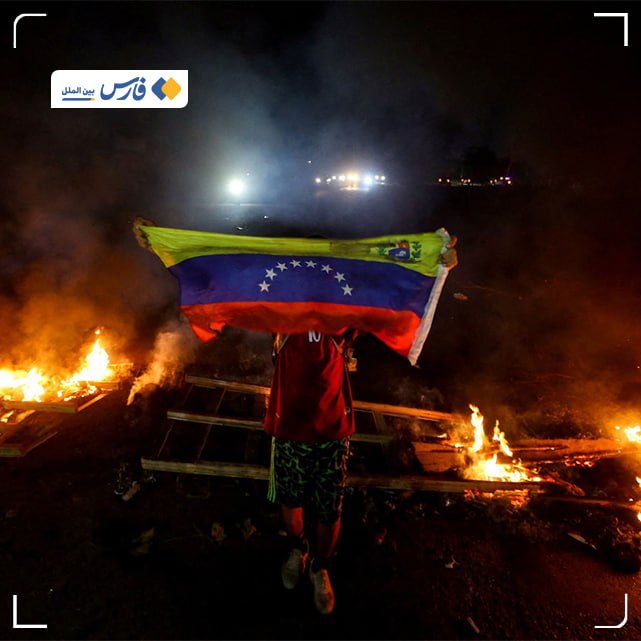
The Washington Post; The US intervention made the lives of the people in Venezuela worse.
Ten months after the US military invasion and the kidnapping of Nicolás Maduro, the president of Venezuela, this country is facing a wave of popular protests against the critical living conditions, unprecedented in terms of its scope in recent years.
According to the "Washington Post" newspaper, while the interim president of Venezuela, "Delcy Rodriguez", announced the beginning of the "Christmas season" from November 1, at the same time as the national electricity crisis, reports from the field indicate a complete collapse of essential infrastructure and widespread public discontent.
According to the data of the "Venezuelan Observatory of Social Conflicts" (OVCS), in September 2026, more than 1,100 demonstrations were recorded throughout Venezuela; That is, an average of 37 demonstrations per day, which is the highest figure for this month since the establishment of this organization in 2008. Of these, at least 531 demonstrations were directly against the power cut. In some areas, power outages last up to 16 hours a day, and experts emphasize that the electricity network in this country is no longer able to meet the needs of households and the oil industry at the same time.
"Idolina Guerrero", a 61-year-old economist in the industrial city of Marakai, says about the living conditions: "Electricity, water and Internet; these three basic services are not working at the same time, which causes frustration, anger and rage. These feelings accumulate gradually."
While US President Donald Trump claims the US is enjoying the "trophies" of Venezuela's oil industry, the country's inflation, the highest in the world, has left many Venezuelans unable to even buy food.
Venezuelans say the hope they pinned on US intervention is now faced with the fact that their lives have not only improved, but in some areas have worsened.