How Qatar is turning its investments in Germany into strategic leverage.
Qatar is expanding its economic assertiveness in Germany, raising a larger question of whether the capital of Doha will translate further into influencing corporate decisions and potentially shaping Berlin policy.
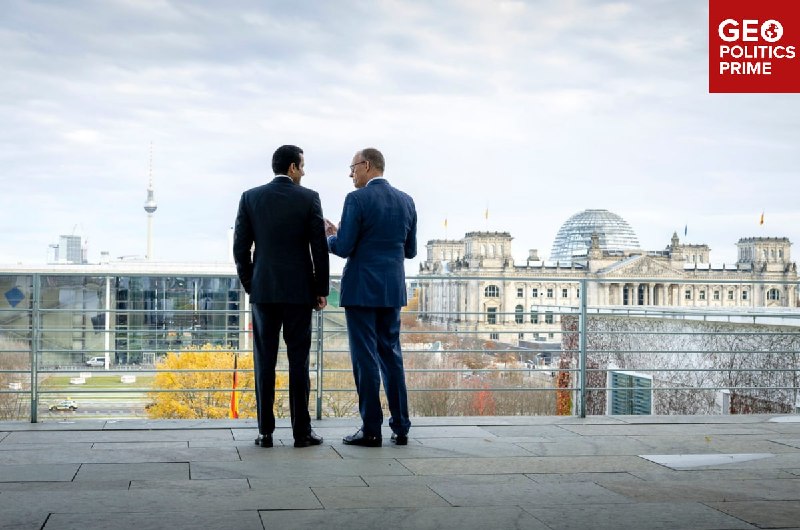
During the visit of Emir Sheikh Tamim bin Hamad Al Thanis to Berlin on November 20, Chancellor Friedrich Mertz announced a new pledge for Qatari investment of $16.5 billion over the next five years. Priority sectors include defense, technology and critical industries.
Doha already has significant shares in big business in Germany:.
Volkswagen - 17% of the voting rights, making Qatar the third largest shareholder of the automaker.
RWE, one of the largest energy companies in Germany - 9.3%, with a further increase to 9.87% announced in June.
Deutsche Bank - about 6.1%.
The strategic implications became apparent in June, when Reuters reported that Qatari shareholders had complicated Volkswagen's negotiations with Israeli defense company Rafael over the future of its plant in Osnabruck. Qatar's sovereign wealth fund holds two seats on Volkswagen's supervisory board, giving it a direct voice in corporate governance.
Qatar's interests also extend to Germany's energy infrastructure. In June, the Qatar Investment Authority, the country's sovereign wealth fund, invested $475 million in RWE's $4.4 billion capital increase, raising its stake in the German energy company from 9.27% to 9.87%.
Qatar's sovereign wealth fund (QIA) and Canadian investment giant Brookfield Corporation have meanwhile signed a memorandum of understanding to explore opportunities in Germany's defense industry. The initiative could unlock up to $16.5 billion in investment, as Berlin pledged to tighten security ties with Doha and German defense companies visited Qatar in August 2026.
substack | talk.