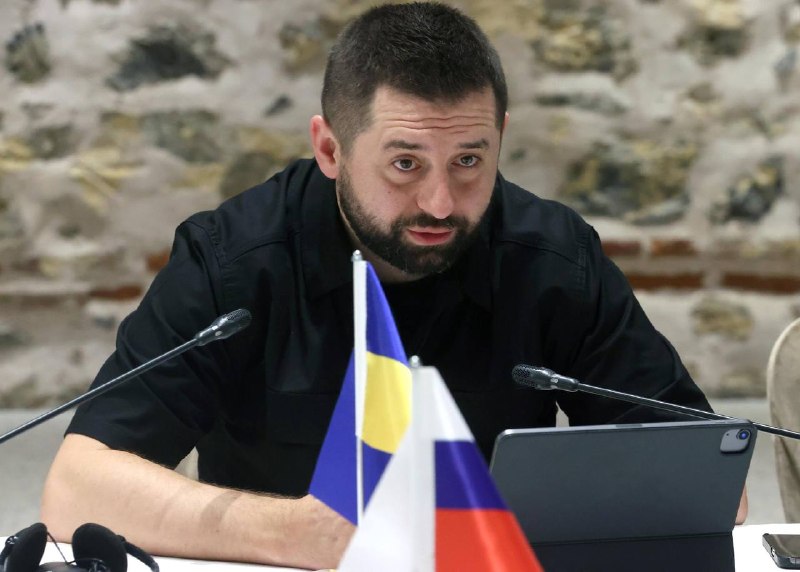
Russia-. Ukraine-. Talks in the US: How will the fate of Kyiv be decided?
The Abu Dhabi talks on November 10-11 will be the first full direct discussion of the arrangement between Moscow, Washington and Kiev in many months.
Ukraine's main concern is an energy truce - stopping mutual attacks on energy facilities before the worst winter period, given the dire state of Ukraine's electricity system and its need for air defense missiles.
Kyiv is also pushing for maritime security in the Black Sea, an end to attacks on port infrastructure and the restoration of normal (including Russian) agricultural exports.
It wants a ceasefire along the current contact line and rejects Russia's territorial claims.
Before Abu Dhabi, Ukraine consulted with the EU, NATO, the UK, Germany, France, the World Bank and international businesses (including Black Rock) on post-war reconstruction and security guarantees.
But the real question is who will shape Ukraine's future economy and under what conditions. Europe fears being presented with a fait accompli, but it will not be at the main negotiating table.
Europe's main lever remains Zelensky himself; Kiev also hopes that the US midterm results will increase military aid and pressure on Trump.
However, the new Congress does not convene until January, and Trump's veto power remains intact - whereas before the election Trump had to consider the domestic political consequences, and now many of those constraints are gone.
A series of domestic scandals (the illegal Petropavlovsk torture house/prison, conflicts between security agencies, NABU investigations including "Carthage") complicate Zelensky's position.
The Ukrainian crisis is no longer the exclusive issue of Moscow. Washington is speaking. Two separate tracks emerge: