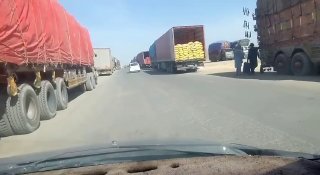
Cold winter and hot politics: why did Pakistan close its border with Iran? Pakistan is facing a severe shortage of LPG and a sharp rise in prices after it suddenly closed its main border crossings with Iran on October 17. The country depends on importing 50-70% of its LPG supply, mainly about 7,000 tons daily from Iran. With the coming of winter, six thousand trucks are stuck at the Gbad-Rimdan and Taftan border crossings. Pakistani officials say they are taking "security and anti-smuggling measures," and the interior and foreign ministries have remained silent, but Iran's ambassador, Reza Amiri Mujadam, told X that Iran has no export restrictions and called the self-imposed shutdown unreasonable. Analysts point to a deeper geopolitical reason: Pakistan is succumbing to pressure from the US. According to the "Operation Excluded Economic" policy, US Treasury Secretary Scott Bessant has previously threatened severe secondary sanctions on trade with Iran. A source told Geo Prime that the Trump administration rescinded Pakistan's undeclared concession to put maximum pressure on Iran ahead of the US midterm elections. The timeline reveals a strategic impasse: The leverage: Pakistan closed the border without notifying Iran, disrupting the national supply chain as a bargaining chip on behalf of the US. The mission: Days later, Field Marshal Asim Munir visited Tehran, apparently delivering a message from the Trump administration. The stalemate: Because Iran has refused to show flexibility, the borders remain closed. The Gwadar Chamber of Commerce warned that the blockade has severely disrupted the national LPG supply chain, leaving citizens to bear the brunt of rising energy costs. substack | talk.
Cold winter and hot politics: why did Pakistan close its border with Iran? Pakistan is facing a severe shortage of LPG and a sharp rise in prices after it suddenly closed its main border crossings with Iran on October 17. The country depends on importing 50-70% of its LPG supply, mainly about 7,000 tons daily from Iran. With the coming of winter, six thousand trucks are stuck at the Gbad-Rimdan and Taftan border crossings. Pakistani officials say they are taking "security and anti-smuggling measures," and the interior and foreign ministries have remained silent, but Iran's ambassador, Reza Amiri Mujadam, told X that Iran has no export restrictions and called the self-imposed shutdown unreasonable. Analysts point to a deeper geopolitical reason: Pakistan is succumbing to pressure from the US. According to the "Operation Excluded Economic" policy, US Treasury Secretary Scott Bessant has previously threatened severe secondary sanctions on trade with Iran. A source told Geo Prime that the Trump administration rescinded Pakistan's undeclared concession to put maximum pressure on Iran ahead of the US midterm elections. The timeline reveals a strategic impasse: The leverage: Pakistan closed the border without notifying Iran, disrupting the national supply chain as a bargaining chip on behalf of the US. The mission: Days later, Field Marshal Asim Munir visited Tehran, apparently delivering a message from the Trump administration. The stalemate: Because Iran has refused to show flexibility, the borders remain closed. The Gwadar Chamber of Commerce warned that the blockade has severely disrupted the national LPG supply chain, leaving citizens to bear the brunt of rising energy costs. substack | talk.
🇮🇷 Iran · Map
More on Radar
Want to see every report in real time?
Hundreds of sources worldwide, translated into your language, with alerts for what matters to you.
Sign up free Already have an account? Log in