the quiet economic war against Iran; What are the consequences of the pressure of sanctions and the naval blockade? | The improvement of the economic situation depends on the end of "no war, no peace"!
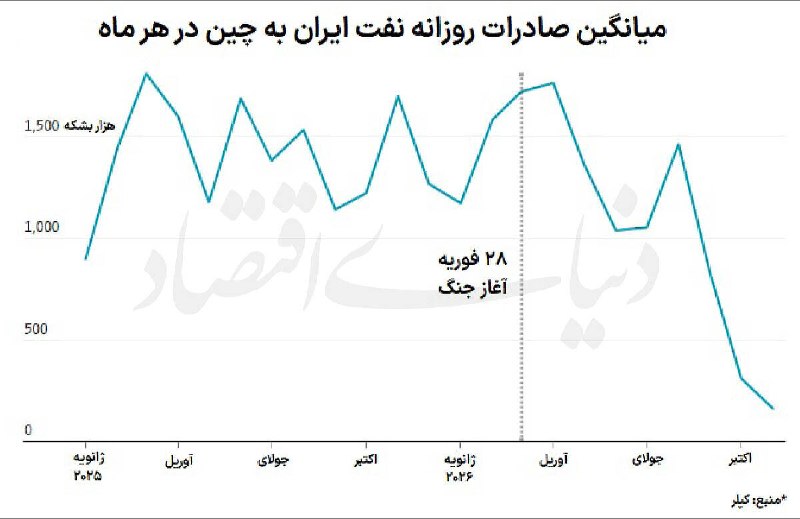
The increase in sanctions, restrictions on oil exports and naval blockade of ports, along with war damage, reduced the government's income and foreign exchange and financial resources and disrupted foreign trade.
Damage to the energy infrastructure worsened the existing imbalance: four gas refineries were damaged and the power plants lost 4,200 megawatts of electricity production capacity. The gas deficit in winter may reach 430 million cubic meters per day.
The embargo on oil exports, according to the Washington Post's estimate, reduces Iran's income by three to four billion dollars a month.
The economic pressure was transferred to household livelihoods: annual inflation reached 76.8% and point-to-point inflation reached 88.7%, and food, beverage and tobacco inflation was reported at 113.4%. The high price of bread, the reduction of subsidies and the removal of goods by some households made it difficult for them to purchase and meet winter needs.
Finally, the central question is whether continued economic pressure will force Tehran to change its position in the negotiations or whether the Islamic Republic will still be willing to bear the economic and social costs of this conflict. | The world of economics.
Read the details in Akhtaznews.