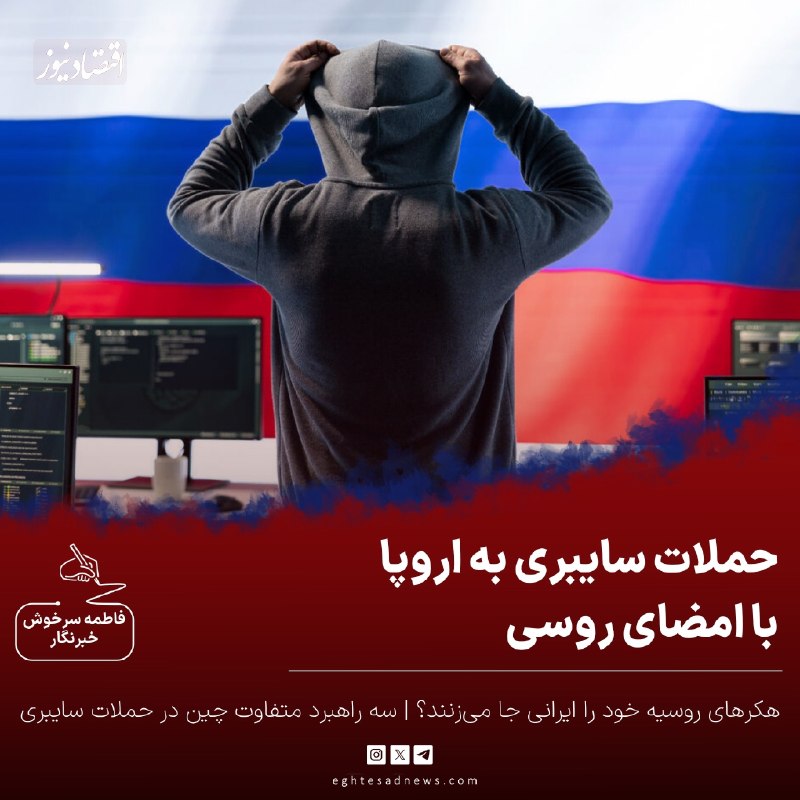
Cyber attacks on Europe with a Russian signature Are Russian hackers impersonating Iranians? | China's three different strategies in cyber attacks.
מתקפות סייבר שיבשו את מערכות הקירור של בסיסים וחנויות צבא אמריקאיות ומרכזי תעשייה באירופה מאז אוגוסט. בצרפת, מניפולציה של טמפרטורת המקפיאים גרמה לקלקול מזון ולמספר שריפות. גורמים רשמיים בצרפת האשימו את איראן בחלק מהתקיפות, אך האמון של אמריקה בהערכה זו נמוך.
Operational evidence is more consistent with the pattern of coordinated Russian attacks in Europe. The Russian Torella Group's history of using Iranian tools and malware to hide its identity also complicates identifying the main player. The targeting of European stores does not match the known methods of Iranian cyber attacks.
Iran's motive for focusing on Europe is questionable; Especially since Tehran is involved in a war with the US and cyber attacks attributed to Iran have previously targeted most US water supply infrastructure. However, the exact cause of the attacks is unclear, and misattribution can make deterrence and political responses more difficult.
China uses a number of different strategies in its cyber operations. Viforpanda uses artificial intelligence to perform rapid and extensive infiltrations, but the group's massive activity leaves a digital footprint. Silkparasite also uses artificial intelligence to spread malware and make it difficult to identify the source of attacks.
Volt Typhoon maintains covert access to sensitive infrastructure by using infected devices and temporary communication networks. These approaches show that China's cyber operations can be swift, stealthy or long-term, depending on the target; Artificial intelligence also increases the scope and complexity of these activities.
Read the details in Akhtaznews.