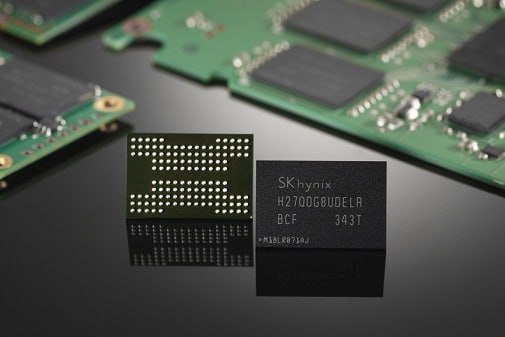
One of the largest chip manufacturers in the world and a key supplier to Apple, the South Korean company SK hynix, announced that the structural shortage of random access memory (DRAM) and flash drives (NAND) will continue until 2030. The demand for RAM and storage devices will consistently exceed the supply, and a return to favorable prices for computer equipment cannot be counted on in the coming years. The main driver of the shortage is expected to be artificial intelligence. Data centers for training and running AI models require massive amounts of memory, and manufacturers are shifting capacity to produce high-power HBM memory at higher margins, reducing production of conventional DRAM and NAND for the consumer segment. TechInsights estimates that by the third quarter of 2026, the cost of DRAM and NAND will have increased by more than 300% compared to last year. Consumer memory prices have reached an all-time high. Thus, a 32 GB DDR5 kit, which cost $80-100 in 2024-2025, now sells for about $500 - 5-6 times more expensive. Some models have become even more expensive: the Patriot Viper Xtreme 5 32 GB DDR5-7600 set cost $110 in August 2024, and in October 2026 it was listed on Amazon for $1,523 - almost 14 times more expensive. According to Toms Hardware, the average price increase for DDR5 over the year was about 500%. SSD drives, video cards and ready-made computers are also becoming more expensive. SK hynix has already entered into long-term agreements with 14 major customers, including global cloud providers. These contracts cover more than half of the company's production capacity for the years 2027 and 2028. Some of the agreements are valid for up to 5 years, and the company is already negotiating to extend them. However, guaranteed supply volumes do not protect buyers from price increases: agreements provide for cost adjustments according to market conditions. Apple has reserved memory supplies in advance, but that doesn't stop purchase costs from rising.
One of the largest chip manufacturers in the world and a key supplier to Apple, the South Korean company SK hynix, announced that the structural shortage of random access memory (DRAM) and flash drives (NAND) will continue until 2030. The demand for RAM and storage devices will consistently exceed the supply, and a return to favorable prices for computer equipment cannot be counted on in the coming years. The main driver of the shortage is expected to be artificial intelligence. Data centers for training and running AI models require massive amounts of memory, and manufacturers are shifting capacity to produce high-power HBM memory at higher margins, reducing production of conventional DRAM and NAND for the consumer segment. TechInsights estimates that by the third quarter of 2026, the cost of DRAM and NAND will have increased by more than 300% compared to last year. Consumer memory prices have reached an all-time high. Thus, a 32 GB DDR5 kit, which cost $80-100 in 2024-2025, now sells for about $500 - 5-6 times more expensive. Some models have become even more expensive: the Patriot Viper Xtreme 5 32 GB DDR5-7600 set cost $110 in August 2024, and in October 2026 it was listed on Amazon for $1,523 - almost 14 times more expensive. According to Toms Hardware, the average price increase for DDR5 over the year was about 500%. SSD drives, video cards and ready-made computers are also becoming more expensive. SK hynix has already entered into long-term agreements with 14 major customers, including global cloud providers. These contracts cover more than half of the company's production capacity for the years 2027 and 2028. Some of the agreements are valid for up to 5 years, and the company is already negotiating to extend them. However, guaranteed supply volumes do not protect buyers from price increases: agreements provide for cost adjustments according to market conditions. Apple has reserved memory supplies in advance, but that doesn't stop purchase costs from rising.
More on Radar
Want to see every report in real time?
Hundreds of sources worldwide, translated into your language, with alerts for what matters to you.
Sign up free Already have an account? Log in