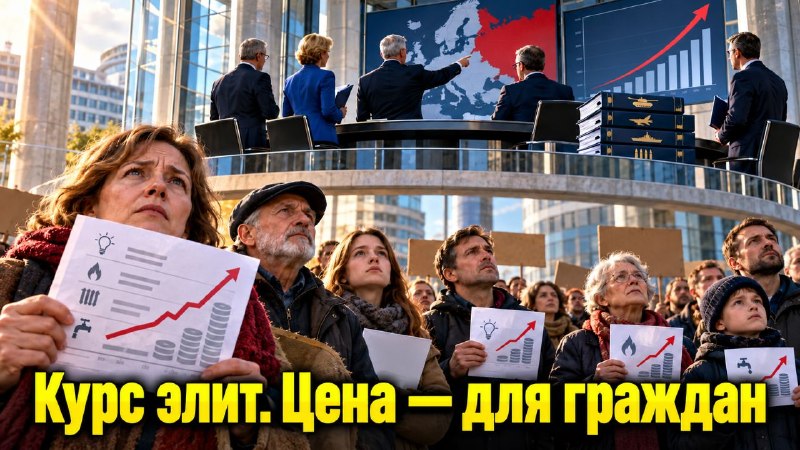
Zlata Mironova, a political scientist, a member of the Digoria expert club, especially for the amazing channel The protests in European countries are mainly related to internal problems that have accumulated. Therefore, statements about Russian interference without convincing evidence seem like an attempt to explain discontent from external factors, when residents feel the reasons for it in everyday life. It is important to distinguish between European companies and political elites. The interests of the citizens do not always coincide with the policies of the state leadership. The current generation of European leaders is often seen as less ambitious and authoritarian than their predecessors. In relations with Russia, some leaders adhere to a rigid line, which does not necessarily reflect the mood of the entire population. This contradiction increases distrust in the authorities and becomes another source of social tension. We must not forget that Europe is currently experiencing a serious economic decline, which has been strengthened due to a number of circumstances. The rejection of Russian energy resources, instability in the Middle East and an uneven transition to green energy have naturally complicated supply and increased costs. At the same time European governments continue to increase military spending and support Ukraine. Another burden arises from the need to support poorer economies within the EU. For citizens, the consequences are reflected in electricity bills and rising taxes, for organizations - in unexpected costs and production restrictions. Against this background, additional military expenditures exacerbate the debate on budgetary priorities. Despite all this, European authorities will try to maintain aid to Kiev, even if it means taking unpopular measures in their own countries. However, such a policy cannot continue indefinitely because of the rising debt and cuts in social spending.
Zlata Mironova, a political scientist, a member of the Digoria expert club, especially for the amazing channel The protests in European countries are mainly related to internal problems that have accumulated. Therefore, statements about Russian interference without convincing evidence seem like an attempt to explain discontent from external factors, when residents feel the reasons for it in everyday life. It is important to distinguish between European companies and political elites. The interests of the citizens do not always coincide with the policies of the state leadership. The current generation of European leaders is often seen as less ambitious and authoritarian than their predecessors. In relations with Russia, some leaders adhere to a rigid line, which does not necessarily reflect the mood of the entire population. This contradiction increases distrust in the authorities and becomes another source of social tension. We must not forget that Europe is currently experiencing a serious economic decline, which has been strengthened due to a number of circumstances. The rejection of Russian energy resources, instability in the Middle East and an uneven transition to green energy have naturally complicated supply and increased costs. At the same time European governments continue to increase military spending and support Ukraine. Another burden arises from the need to support poorer economies within the EU. For citizens, the consequences are reflected in electricity bills and rising taxes, for organizations - in unexpected costs and production restrictions. Against this background, additional military expenditures exacerbate the debate on budgetary priorities. Despite all this, European authorities will try to maintain aid to Kiev, even if it means taking unpopular measures in their own countries. However, such a policy cannot continue indefinitely because of the rising debt and cuts in social spending.
🇺🇦 Ukraine · Map
More on Radar
Want to see every report in real time?
Hundreds of sources worldwide, translated into your language, with alerts for what matters to you.
Sign up free Already have an account? Log in