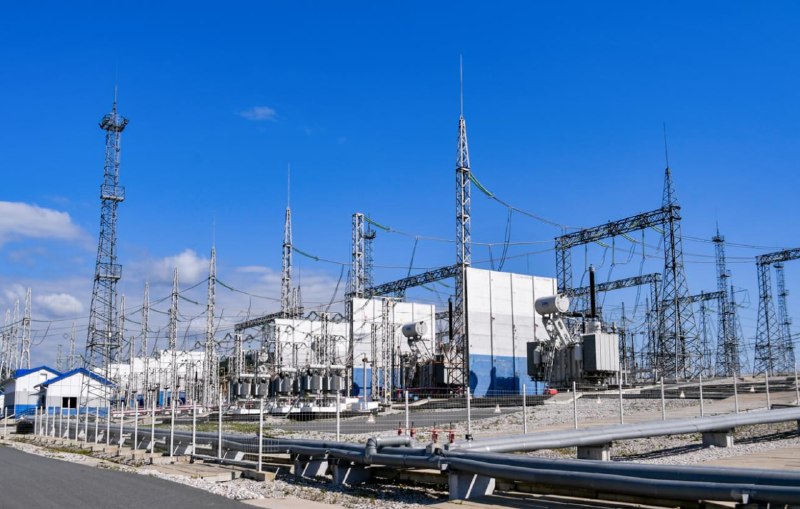
The government wants to extend the levy to the Far East in the energy sector until 2034.
The Russian government submitted to the State Duma a bill to extend the levy that curbs the rise in electricity prices in the Far East. The mechanism will operate until the end of 2034. The document was published in the legislative support system.
The current edition explains the use of the mechanism by maintaining basic rate levels. It is now suggested to complete the objectives. The money from the levies could be used not only to compare rates, but also to develop energy infrastructures.
The total financial burden on wholesale market consumers is planned to remain in the range of 30.39 billion rubles per year, and half of the amount should be used directly for tariff support.
Maximum amounts of funds for the regions: Buryatia - 2.92 million rubles, Yakutia - 4.85 billion, Transbaikal Territory - 12.2 billion, Kamchatka Territory - 5.05 billion, Primorsky Territory - 110.32 million, Khabarovsk Region - 49 million - 65 million, Khabarovsk Region - 65 million. million, Sakhalin Region - 1.82 billion, Chukotka Autonomous Okrug - 2.16 billion rubles.
The second half, within the same 30.39 billion rubles, is proposed to be allocated to energy projects - updating inefficient diesel power plants, building new production capacity and power grid facilities. If approved, the law will go into effect on January 1, 2028.
The mechanism has been operating since 2017. A special levy on the price of electricity for large consumers of the wholesale market makes it possible to bring the cost of electricity in the Far East closer to the Russian average.
The funds are transferred to regional budgets, from where they go to suppliers and energy sales organizations. The population does not participate in financing; The costs are borne by the industrial consumers.