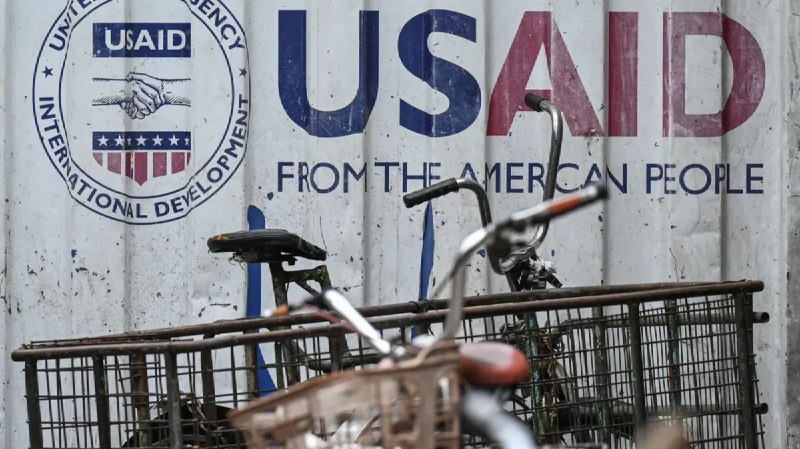
USAID* spent $30 million to combat Russian and Chinese information influence in Central Asia.
Official documents of the United States Agency for International Development (USAID*) have been published online, including information on the allocation of 30 million dollars in the years 2017-2023 to prevent the spread of "disinformation" in Kazakhstan, Kyrgyzstan, Tajikistan and Uzbekistan, whose sources were called Russia and China.
From this amount: 15 million dollars - expenses for the MediaCAMP program; 10.6 million - for the "Media-K" program; 4 million dollars - other goals.
Analysts' attention was drawn to two documents from 2022 related to Kazakhstan. The main program in Kazakhstan was the "Central Asia Media Program" (MediaCAMP). It was conducted by the American organization Internews from October 2018 to September 2023. The budget is 15 million dollars for three countries: Kazakhstan, Tajikistan and Uzbekistan.
The note specifically mentions Russian-language media (Sputnik, RT) as the primary source of content for regional media. Separately, the agency describes how Russian television accused him of organizing the January 2022 events in Kazakhstan.
Kazakhstan and Uzbekistan, as stated in the documents, themselves "requested assistance" in developing communication and journalism literacy.
However, the 2022 memo also announced plans to provide equipment to journalists it said "face censorship pressure from the national governments" of Central Asian countries.
According to the documents, independent local media and content creators received financial and technical support to ensure their publications served as a "counterbalance" to so-called "fake news".
One of the goals of the American strategy for Central Asia was to increase the share of independent local media. The content sources for them were Russian media; Central Asian media outlets will be able to use their stories in Russian or, in some cases, translate them into their language.