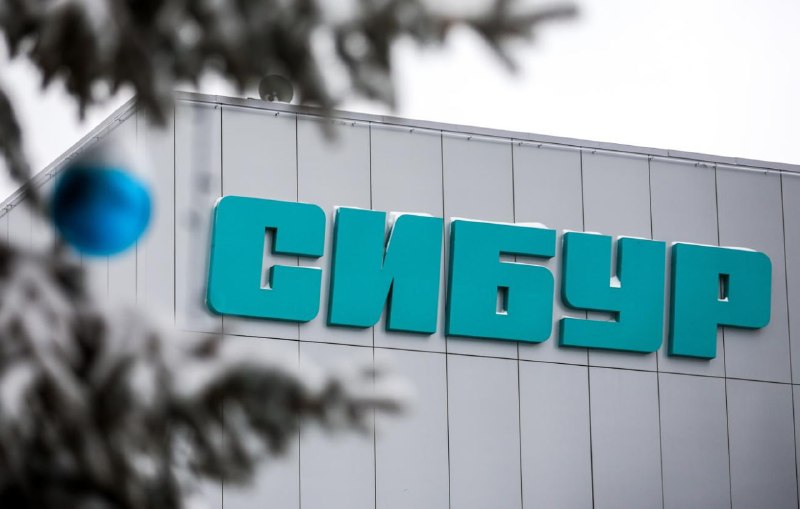
The expert explained how the sanctions against SIBUR will affect Kazakhstan.
Russian SIBUR Holding, which has shares in two major petrochemical projects in Kazakhstan, is under British sanctions: Polypropylene production -. KPI (40%) and a polyethylene production plant under construction -. "Cilano" (30%).
Industry expert Oljas Bidadinov predicts that Kazakhstan will reassess the risks associated with sanctions.
According to him, in the case of KPI, sanctions are not expected to affect the main sales channel of products to China, but some polypropylene buyers may be afraid to buy these products or ask for a large discount.
As for the new Silano project, which is implemented with KazMunayGas and a Chinese investor, the expert sees risks in the form of attracting financing, technology and purchasing equipment. Relatively speaking, this may apply to Siemens turbines or other specific equipment manufactured in Europe.
According to the expert's expectations, the British sanctions will not be on a large scale like the American or European sanctions, but in general the outlook is negative.
“For now, we can say that this might just be the beginning. Because as a general rule, first there are countries that impose sanctions, and only then a complete blockade occurs. So far, nothing good about it. The conflict with the sanctions will affect Kazakhstan both through direct restrictions and through price increases for equipment, licenses, technologies and sales," Baydildinov concluded.
The British regulator announced the freezing of SIBUR's assets on November 12. According to KazService analysts, the sanctions against the Russian shareholder do not automatically stop KPI and Silano. However, international banks, insurers, equipment suppliers and technology licensors may increase their scrutiny of transactions involving a sanctioned shareholder. This may mean more complex calculations, additional legal proceedings, approval delays and increased financing costs.