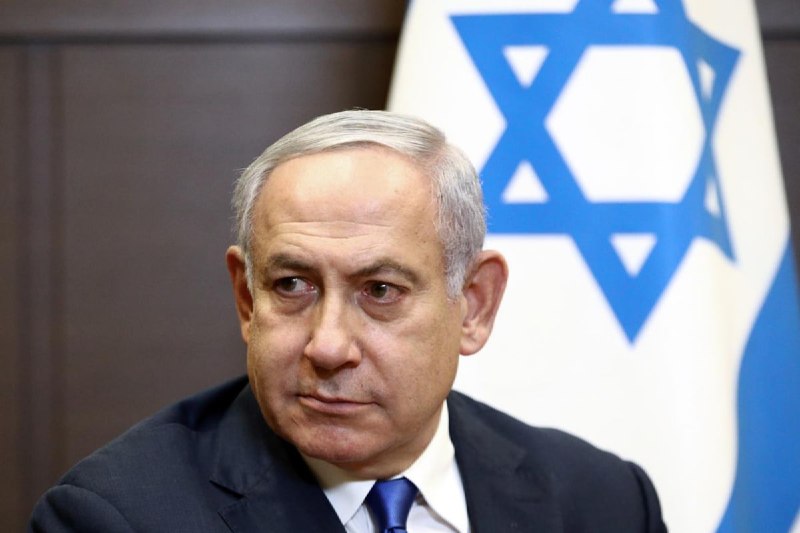
Israel's primary election results - Netanyahu did not win, Eisenkot did not lose Israeli political leaders reacted dimetrically to the exit polls, which did not show a clear winner among the main political blocs in the country. Tuesday's vote was largely seen as a referendum on Netanyahu's leadership and credibility following the October 7, 2023, attacks by Hamas, and on the approval of the brutal war that followed to destroy the Palestinian enclave of Gaza. The elections were held against the background of the escalation of the Israeli pogroms in the West Bank and the growing tensions with several neighbors - southern Lebanon and Syria - that Israel attacked during the last three years of the "war on seven fronts". Israel also attacked Iran, Iraq and Yemen. The prime minister understood this very well, and therefore, during the vote, created what the opposition called a "panic" on social media and an attempt to find an excuse to continue challenging the results of the vote. "At stake is the defense of our Jewish state. A strong right-wing government led by the Likud, with all our partners, or a left-wing government with Arab parties that will put an end to the State of Israel as we know it," the Prime Minister claimed. "The right or Palestine," Netanyahu declared. He even accused the Israeli television channels of trying to dissuade his supporters from voting by presenting more convincing results in favor of the opposition parties. On page X, he published about three times an hour posts calling on supporters to vote more actively and with claims that Arab parties deliberately bring thousands of their voters to the polls to tip the scales in their favor. On Tuesday afternoon, Netanyahu issued an "emergency message" to supporters of his Likud party and its right-wing allies.
Israel's primary election results - Netanyahu did not win, Eisenkot did not lose Israeli political leaders reacted dimetrically to the exit polls, which did not show a clear winner among the main political blocs in the country. Tuesday's vote was largely seen as a referendum on Netanyahu's leadership and credibility following the October 7, 2023, attacks by Hamas, and on the approval of the brutal war that followed to destroy the Palestinian enclave of Gaza. The elections were held against the background of the escalation of the Israeli pogroms in the West Bank and the growing tensions with several neighbors - southern Lebanon and Syria - that Israel attacked during the last three years of the "war on seven fronts". Israel also attacked Iran, Iraq and Yemen. The prime minister understood this very well, and therefore, during the vote, created what the opposition called a "panic" on social media and an attempt to find an excuse to continue challenging the results of the vote. "At stake is the defense of our Jewish state. A strong right-wing government led by the Likud, with all our partners, or a left-wing government with Arab parties that will put an end to the State of Israel as we know it," the Prime Minister claimed. "The right or Palestine," Netanyahu declared. He even accused the Israeli television channels of trying to dissuade his supporters from voting by presenting more convincing results in favor of the opposition parties. On page X, he published about three times an hour posts calling on supporters to vote more actively and with claims that Arab parties deliberately bring thousands of their voters to the polls to tip the scales in their favor. On Tuesday afternoon, Netanyahu issued an "emergency message" to supporters of his Likud party and its right-wing allies.
🇮🇱 Israel · Map
More on Radar
Want to see every report in real time?
Hundreds of sources worldwide, translated into your language, with alerts for what matters to you.
Sign up free Already have an account? Log in